F
Field Ethos
Guest
By John Warren
By the time history noticed Billy Dixon, he had already lived the kind of life that rarely survives ink. Hard country had shaped him first. Hunger, wind, and long days on the Plains taught lessons no classroom ever could. Men like Dixon didn’t chase accolades. They chased hides, daylight, and the narrow margin between getting home and getting dead.
Dixon came west young and stayed because there was work to be done. Buffalo hides paid. The work was brutal, repetitive, and unforgiving. You learned fast or you died. Rifles mattered, but patience mattered more. The Plains rewarded stillness and punished haste. Dixon learned that truth early and carried it for the rest of his life.
Buffalo hunting in the 1870s wasn’t romance. It was logistics and endurance. Long hours prone behind a rifle. Counting humps. Reading wind. Managing fouled barrels and aching backs. A successful hunter wasn’t reckless; he was methodical. Dixon fit the mold because he understood distance—not just how far a target stood, but how much time and discipline it took to close that gap with a single bullet. The rifle was a tool, not an extension of ego. Ammunition was precious. Misses cost money. Bad judgment cost lives.
In June of 1874, that discipline would be tested in a way no hunt ever had.
Adobe Walls was a rough outpost in the Texas Panhandle—low buildings crouched against open ground, more scrub brush than fortress. When Quana Parker and a large Comanche, Cheyenne, and Kiowa force descended on the settlement, the men inside were suddenly outnumbered 30-to-one and exposed. Survival hinged on nerves and marksmanship.
Dixon stepped into that moment without theatrics. He took position, judged the wind, adjusted the tang sight and fired at a distant rider, far beyond what most men believed possible. The Sharps 1874’s 600-grain round-nose projectile struck the brave at a distance the Army verified as 1,538 yards. The attack faltered and broke the Indian siege on the fort.
Dixon would later say, “some of the boys suggested that I try the Big Fifty on them, it was a scratch shot but I was not without confidence in my marksmanship.” His rifle wasn’t magic. It was a purpose-built rifle for the buffalo hunting trade and killing men at distance. The 1874 Sharps 50-90 had a 32-inch octagonal barrel, double set triggers and weighed in at 16 pounds. At Adobe Walls it did exactly what it was designed to do: send a single, well-placed bullet across open country with enough force and precision to change the shape of a fight.
His life didn’t end at Adobe Walls. Dixon went on to serve as an Army Scout, a lawman and a guide, but history loves to measure that moment. Distances get argued. Figures get polished. Then the shot becomes a legend. Dixon never seemed interested in any of that. To him, it was a single decision made under pressure. He didn’t frame it as destiny. He was doing what he had to do; the same fundamentals that fed him on the Plains kept him alive in battle.
For modern hunters and riflemen, he reminds us that marksmanship starts long before the trigger breaks. That distance isn’t conquered by hubris but by preparation. That calm under pressure is earned through repetition. Not talk.
In a culture eager to celebrate noise, Dixon stands for restraint. In an age obsessed with gear, he stands for fundamentals. He proves that the hardest skill to master isn’t shooting far, it’s knowing when to slow down.
The Plains remember men like Billy Dixon not because stories made them legends but because their actions were exact. He stayed steady. He trusted what worked. And when the moment came, he didn’t let the stakes bury him.
The post Big Balls & Adobe Walls appeared first on Field Ethos.
Continue reading...
By the time history noticed Billy Dixon, he had already lived the kind of life that rarely survives ink. Hard country had shaped him first. Hunger, wind, and long days on the Plains taught lessons no classroom ever could. Men like Dixon didn’t chase accolades. They chased hides, daylight, and the narrow margin between getting home and getting dead.
Dixon came west young and stayed because there was work to be done. Buffalo hides paid. The work was brutal, repetitive, and unforgiving. You learned fast or you died. Rifles mattered, but patience mattered more. The Plains rewarded stillness and punished haste. Dixon learned that truth early and carried it for the rest of his life.
Buffalo hunting in the 1870s wasn’t romance. It was logistics and endurance. Long hours prone behind a rifle. Counting humps. Reading wind. Managing fouled barrels and aching backs. A successful hunter wasn’t reckless; he was methodical. Dixon fit the mold because he understood distance—not just how far a target stood, but how much time and discipline it took to close that gap with a single bullet. The rifle was a tool, not an extension of ego. Ammunition was precious. Misses cost money. Bad judgment cost lives.
The Second Battle of Adobe Walls
In June of 1874, that discipline would be tested in a way no hunt ever had.
Adobe Walls was a rough outpost in the Texas Panhandle—low buildings crouched against open ground, more scrub brush than fortress. When Quana Parker and a large Comanche, Cheyenne, and Kiowa force descended on the settlement, the men inside were suddenly outnumbered 30-to-one and exposed. Survival hinged on nerves and marksmanship.
Dixon stepped into that moment without theatrics. He took position, judged the wind, adjusted the tang sight and fired at a distant rider, far beyond what most men believed possible. The Sharps 1874’s 600-grain round-nose projectile struck the brave at a distance the Army verified as 1,538 yards. The attack faltered and broke the Indian siege on the fort.
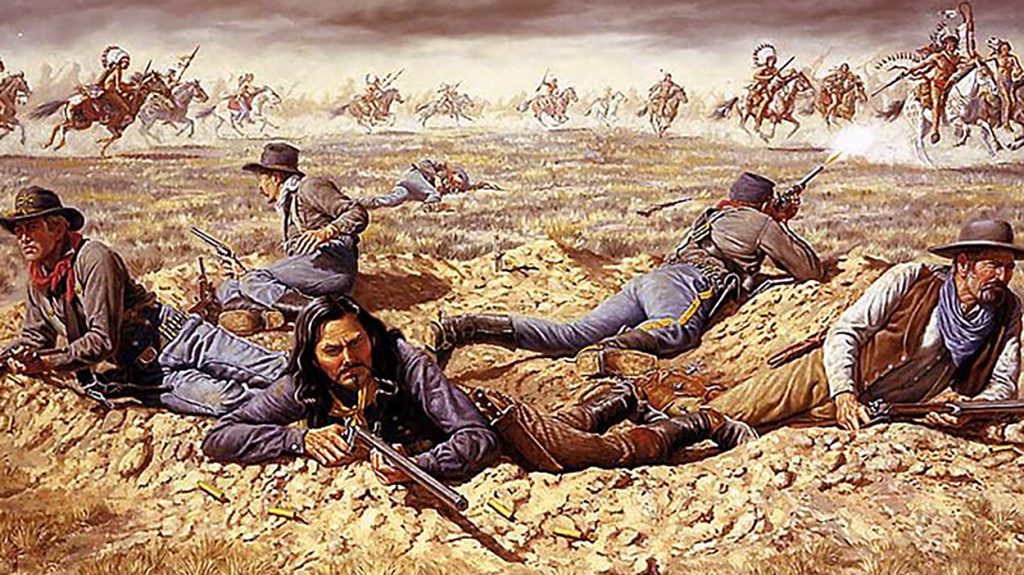
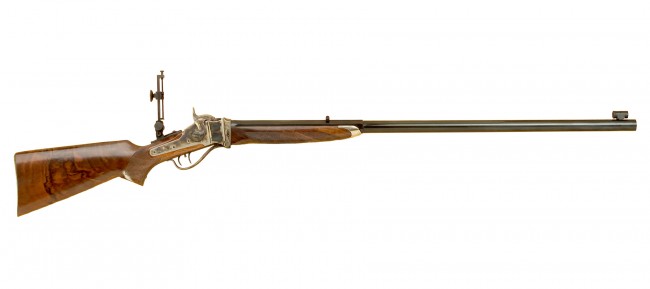
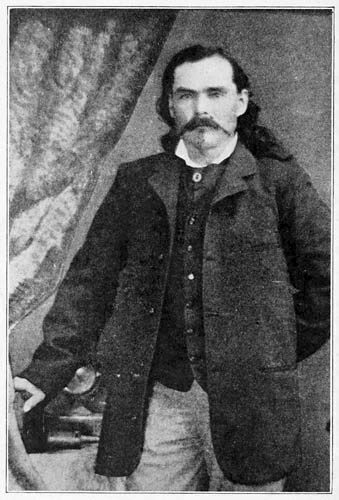
Dixon would later say, “some of the boys suggested that I try the Big Fifty on them, it was a scratch shot but I was not without confidence in my marksmanship.” His rifle wasn’t magic. It was a purpose-built rifle for the buffalo hunting trade and killing men at distance. The 1874 Sharps 50-90 had a 32-inch octagonal barrel, double set triggers and weighed in at 16 pounds. At Adobe Walls it did exactly what it was designed to do: send a single, well-placed bullet across open country with enough force and precision to change the shape of a fight.
Billy Dixon—Life After the Shot of the Century
His life didn’t end at Adobe Walls. Dixon went on to serve as an Army Scout, a lawman and a guide, but history loves to measure that moment. Distances get argued. Figures get polished. Then the shot becomes a legend. Dixon never seemed interested in any of that. To him, it was a single decision made under pressure. He didn’t frame it as destiny. He was doing what he had to do; the same fundamentals that fed him on the Plains kept him alive in battle.
For modern hunters and riflemen, he reminds us that marksmanship starts long before the trigger breaks. That distance isn’t conquered by hubris but by preparation. That calm under pressure is earned through repetition. Not talk.
In a culture eager to celebrate noise, Dixon stands for restraint. In an age obsessed with gear, he stands for fundamentals. He proves that the hardest skill to master isn’t shooting far, it’s knowing when to slow down.
The Plains remember men like Billy Dixon not because stories made them legends but because their actions were exact. He stayed steady. He trusted what worked. And when the moment came, he didn’t let the stakes bury him.
The post Big Balls & Adobe Walls appeared first on Field Ethos.
Continue reading...

