F
Field Ethos
Guest
By Scott Longman
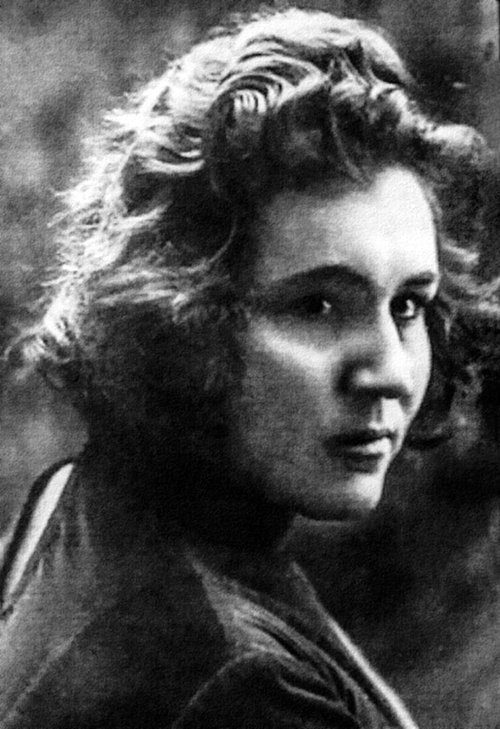
The adage is “Hell hath no fury like a woman scorned.” The next level up from that is “Hell hath no fury like a woman widowed by Nazis.” At least if it were Mariya Oktyabrskaya.
She’d been born in 1905 in the Crimea, had a solid upbringing and found true love by 1925, marrying an army officer, Ilya Ryadnenko, at the age of 20. It was a patriotic marriage, with the couple both changing their last names to “Oktyabrskaya,” in honor of the Soviet October Revolution. She had two great loves: her husband and her country.
The couple both had service ties, with Ilya on active duty and Mariya serving in auxiliary support roles. All evidence suggests that their relationship must have been a wonderful one right up until the Nazis invaded the USSR in 1941. Then she, along with millions of others, was whisked away to safety in the east, and he was off to the front.
Tragically, Ilya was killed shortly later, cut up by machine gun fire near Kiev. But in the chaos and poverty of the wartime Soviet Union, it took a long two years for Mariya to learn of his death. When she finally did, she was utterly devastated. From her grief rose an absolute, burning, implacable fury for revenge. As she would much later write to her sister: “Sometimes I’m so angry I can’t even breathe.”
The Sovs lost about 11 million military dead. Innumerably many Soviet widows simply somehow absorbed that horrific reality.
Not Mariya.
The first thing she did was go to the recruitment office, where she promptly got bounced. Well, that wasn’t going to deter her. She sold every possession she had, and in the impoverished 1940 Soviet Union, that act, alone, was an act of faith. She did it for the purpose of donating her limited wealth toward building a T-34 tank.
She was so relentless, and so unafraid, that she then did something otherwise unthinkable to the general populace of the USSR: she wrote, personally, to Joseph Stalin. That was exactly the opposite of the way you survived there. Stalin had already killed millions of his own citizens. Of any of the huge numbers of Sov apparatchiks you wanted to avoid, he was The Number One.
Well, she wrote to him anyway.
What she said, in part, was this: “for [my husband’s] death, for the deaths of all Soviet people … I wish to carry out vengeance … for which I have donated all my personal possessions …. I ask that the tank be named Fighting Girlfriend and that I be sent to the front as the the driver of said tank ….”
Incredibly, Stalin wrote back: “Your desires shall be fulfilled.”
Of course, the cynical but correct analysis of that response was that he only did it for propaganda purposes. The Soviet Union was—before, during and after the war—masterclass-great at propaganda, and Mariya had just lobbed herself on a silver platter into that intake chute.
Did Stalin concern himself as to how it would look if she were killed? Of course not: he didn’t care in the slightest, because he had total control of the media. If she bought it in battle, he could either bury the story entirely or decide to create some paen to patriotism.
So, she went to tanker school, five months worth, and she graduated. They gave her the tank she wanted, a T-34, named as she’d requested, Fighting Girlfriend. She put a photo of her husband where she could see it from the driver’s seat. Perhaps understandably, her comrades – initially — viewed her as a lightweight dilletante. They, of course, had no idea what they were dealing with.
She finally saw the enemy at Smolensk, where she drove with relentless determination, putting her gunners in the position to wreak holy entropy on the Nazis, which they enthusiastically did. At one point, a German arty round disabled one of her T-34’s tracks. The Sov standing order, to paraphrase Chef from Apocalypse Now, was: “Never get out of the [tank].” But she did it anyway, under heavy fire. While her comrades laid down suppression, she managed to fix the track. If they hadn’t already figured out that she was hell on wheels, they did then. That action got her promoted to sergeant.
Then, about a month later at Novoye Selo, she did it again. Also under heavy fire.
Two months after that, she and her crew roared into an attack at a place called Krynki. She smashed through German defenses, and her gunners laid waste. And, for a third time, one of the tracks got hit. So, she did what you’d expect and dismounted under fire to fix it. Tragically, the third time was not the charm, and she caught frag in her left eye, which entered her brain. By the time the Sovs got her to a place that might have any hope of treatment, it was too late.
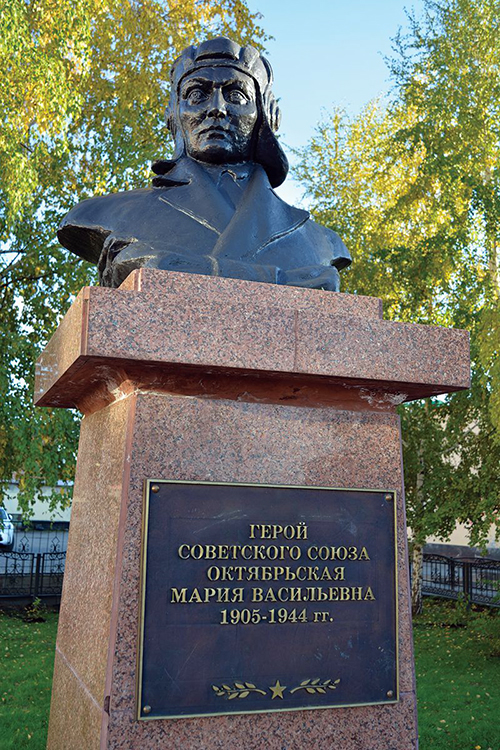
Her crew continued the fighting. They had their Fighting Girlfriend tank blown out from under them more than once. But each time they were issued a replacement, they named it the same in honor of her. You do have to wonder if they kept and transferred the picture of Ilya. She was posthumously granted the distinction of “Hero of the Soviet Union,” which was the highest award that the USSR had. She also received the Order of Lenin, another high level of recognition.
But perhaps her highest legacy is broader than that. She had two great loves, her husband and her country. While she could not save him, she went flat out to save her homeland. She, along with millions of her fellow soldiers had crushed the Nazis from the east, a critical component to winning the war.
Hell hath no fury.
The post Hell Hath No Fury Like a Soviet Widow appeared first on Field Ethos.
Continue reading...
The adage is “Hell hath no fury like a woman scorned.” The next level up from that is “Hell hath no fury like a woman widowed by Nazis.” At least if it were Mariya Oktyabrskaya.
She’d been born in 1905 in the Crimea, had a solid upbringing and found true love by 1925, marrying an army officer, Ilya Ryadnenko, at the age of 20. It was a patriotic marriage, with the couple both changing their last names to “Oktyabrskaya,” in honor of the Soviet October Revolution. She had two great loves: her husband and her country.
The couple both had service ties, with Ilya on active duty and Mariya serving in auxiliary support roles. All evidence suggests that their relationship must have been a wonderful one right up until the Nazis invaded the USSR in 1941. Then she, along with millions of others, was whisked away to safety in the east, and he was off to the front.
Tragically, Ilya was killed shortly later, cut up by machine gun fire near Kiev. But in the chaos and poverty of the wartime Soviet Union, it took a long two years for Mariya to learn of his death. When she finally did, she was utterly devastated. From her grief rose an absolute, burning, implacable fury for revenge. As she would much later write to her sister: “Sometimes I’m so angry I can’t even breathe.”
The Sovs lost about 11 million military dead. Innumerably many Soviet widows simply somehow absorbed that horrific reality.
Not Mariya.
A Widow Scorned
The first thing she did was go to the recruitment office, where she promptly got bounced. Well, that wasn’t going to deter her. She sold every possession she had, and in the impoverished 1940 Soviet Union, that act, alone, was an act of faith. She did it for the purpose of donating her limited wealth toward building a T-34 tank.
She was so relentless, and so unafraid, that she then did something otherwise unthinkable to the general populace of the USSR: she wrote, personally, to Joseph Stalin. That was exactly the opposite of the way you survived there. Stalin had already killed millions of his own citizens. Of any of the huge numbers of Sov apparatchiks you wanted to avoid, he was The Number One.
Well, she wrote to him anyway.
What she said, in part, was this: “for [my husband’s] death, for the deaths of all Soviet people … I wish to carry out vengeance … for which I have donated all my personal possessions …. I ask that the tank be named Fighting Girlfriend and that I be sent to the front as the the driver of said tank ….”
Incredibly, Stalin wrote back: “Your desires shall be fulfilled.”
Of course, the cynical but correct analysis of that response was that he only did it for propaganda purposes. The Soviet Union was—before, during and after the war—masterclass-great at propaganda, and Mariya had just lobbed herself on a silver platter into that intake chute.
Did Stalin concern himself as to how it would look if she were killed? Of course not: he didn’t care in the slightest, because he had total control of the media. If she bought it in battle, he could either bury the story entirely or decide to create some paen to patriotism.
So, she went to tanker school, five months worth, and she graduated. They gave her the tank she wanted, a T-34, named as she’d requested, Fighting Girlfriend. She put a photo of her husband where she could see it from the driver’s seat. Perhaps understandably, her comrades – initially — viewed her as a lightweight dilletante. They, of course, had no idea what they were dealing with.
The Legend of Fighting Girlfriend
She finally saw the enemy at Smolensk, where she drove with relentless determination, putting her gunners in the position to wreak holy entropy on the Nazis, which they enthusiastically did. At one point, a German arty round disabled one of her T-34’s tracks. The Sov standing order, to paraphrase Chef from Apocalypse Now, was: “Never get out of the [tank].” But she did it anyway, under heavy fire. While her comrades laid down suppression, she managed to fix the track. If they hadn’t already figured out that she was hell on wheels, they did then. That action got her promoted to sergeant.
Then, about a month later at Novoye Selo, she did it again. Also under heavy fire.
Two months after that, she and her crew roared into an attack at a place called Krynki. She smashed through German defenses, and her gunners laid waste. And, for a third time, one of the tracks got hit. So, she did what you’d expect and dismounted under fire to fix it. Tragically, the third time was not the charm, and she caught frag in her left eye, which entered her brain. By the time the Sovs got her to a place that might have any hope of treatment, it was too late.
Her crew continued the fighting. They had their Fighting Girlfriend tank blown out from under them more than once. But each time they were issued a replacement, they named it the same in honor of her. You do have to wonder if they kept and transferred the picture of Ilya. She was posthumously granted the distinction of “Hero of the Soviet Union,” which was the highest award that the USSR had. She also received the Order of Lenin, another high level of recognition.
But perhaps her highest legacy is broader than that. She had two great loves, her husband and her country. While she could not save him, she went flat out to save her homeland. She, along with millions of her fellow soldiers had crushed the Nazis from the east, a critical component to winning the war.
Hell hath no fury.
The post Hell Hath No Fury Like a Soviet Widow appeared first on Field Ethos.
Continue reading...


