F
Field Ethos
Guest
By Craig Springer
Leather helmet football played in the driving snow on a muddy gridiron must have really been something. Add in hunting dogs and a cast of famous Native Americans known for moving the pigskin downfield and you have spectacle—a real show. A halftime show to be sure.
Cities like Green Bay, New York, Chicago, and San Francisco—they all had NFL franchises. But it was the Ohio team from small-town Marion that was the most unusual. Its legacy lives on in the halftime show—a show rooted in marketing hunting dogs.
Ohio businessman Walter Lingo paid $100 for his NFL franchise in June 1922. Lingo had a fascination with Native American lore and a talent for breeding hunting dogs, a vocation he took on at an early age. The two interests fused in a business endeavor on the gridiron.
Lingo established a kennel around 1912, breeding and selling coonhounds and foxhounds. But it was the Airedale breed that would lead to his greatest and most enduring success.
The Airedale came to the United States in the early 1880s, primarily for show. Lingo applied his good dog sense and bred a superior Airedale hunting dog. He called his breed the Oorang Airedale. He thought the name would carry an aura of Native American mystique. Lingo deftly marketed his kennel and sold his dogs around the world.
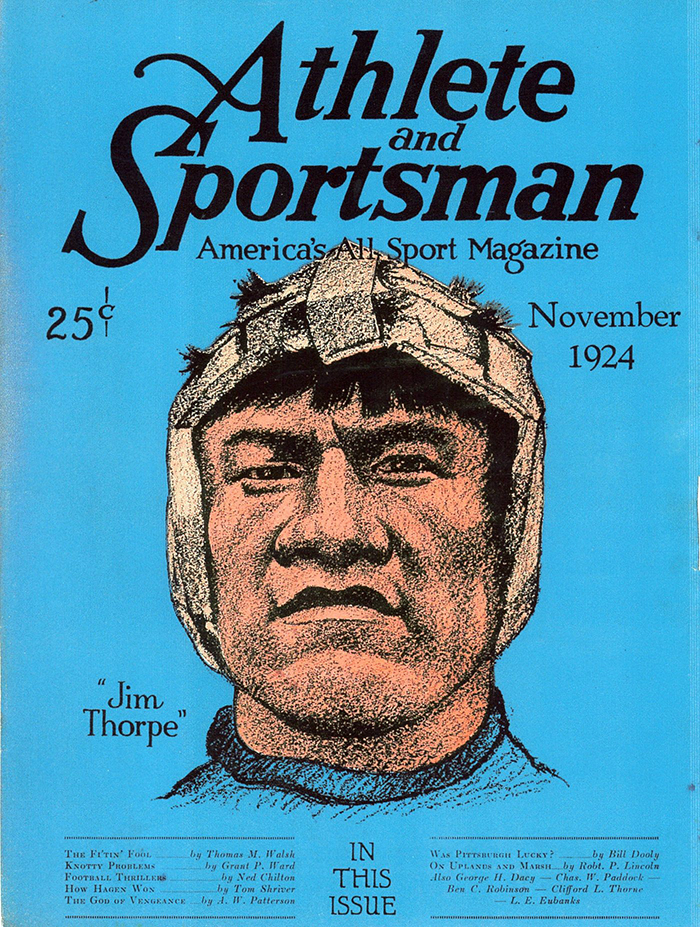
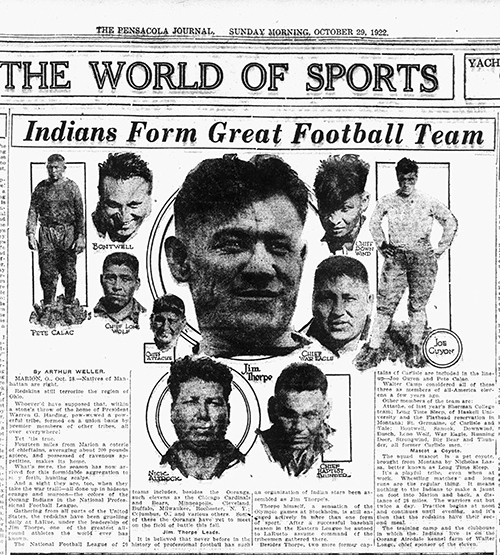
His marketing chops involved the pigskin in what he would call a “publicity stunt.” Lingo, on a 1921 hunting trip with NFL players Pete Calac and Jim Thorpe, talked about fielding an all-Indian team. Lingo asked the legendary Thorpe to coach the team and to work for the kennel. Lingo named his team the Oorang Indians.
Lingo wasn’t doing anything new with his “stunt.” Other NFL teams existed to promote distinct business endeavors; the Chicago Bears had their origin as a flour company team.
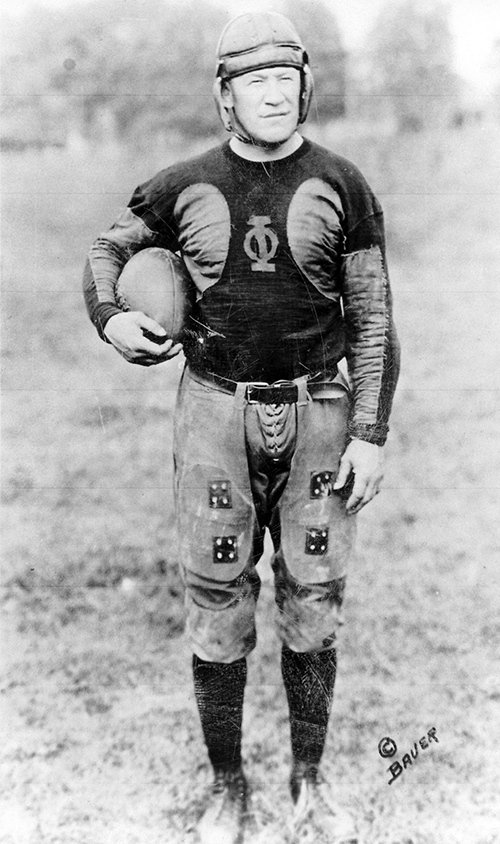
But the Oorang Indians stood out because of the team’s racial composition and being led by the greatest athlete of all time, Thorpe, a member of the Sac and Fox Tribe.
The football team essentially existed to show dogs. Nearly all of the games played by the Oorang Indians were away games, with Airedales in tow. In the two seasons the football team existed, only three games were played at home. It was on the road where dogs could be marketed and sold—cities such as Chicago, Dayton, New York, St. Louis, yielding maximum exposure.
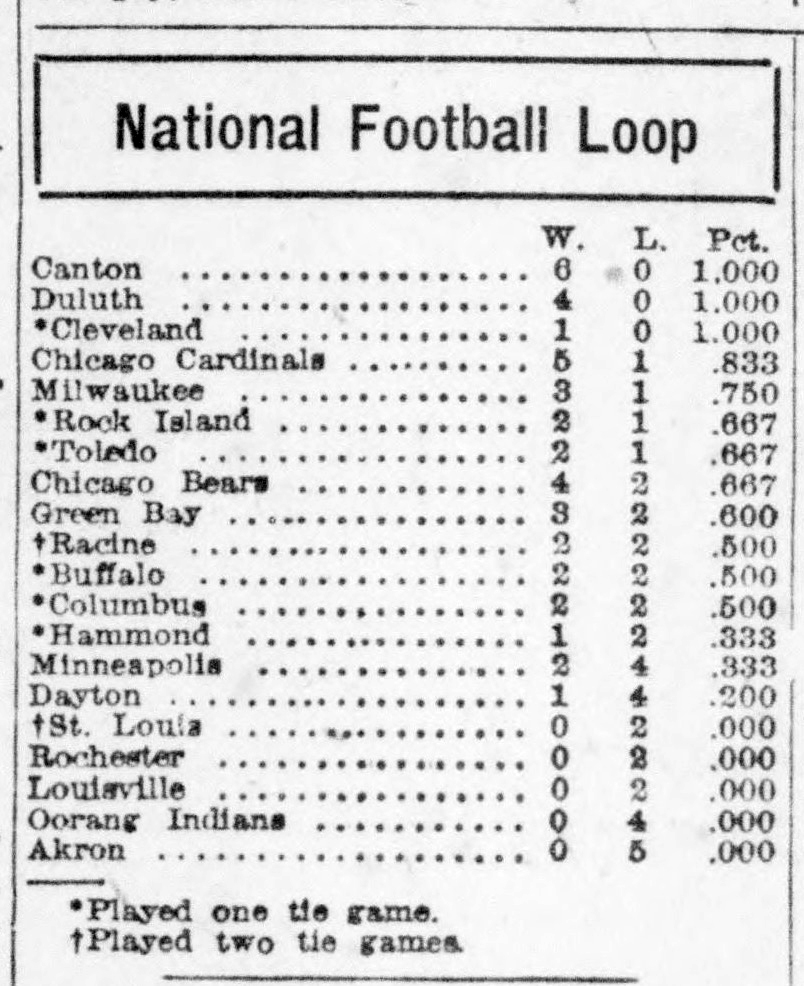
Play on the field may not have been outstanding; over the two seasons the Oorang Indians posted a 4-16 record. But the fans got a theatrical halftime treat. When the opposing team went to the locker room, Oorang Indians players showed off trained Airedales to the crowd.
The Oorang Indians disbanded after two seasons, its players drifting to other football clubs. Despite a decidedly losing record, the Oorang Indians had on the roster two future hall of famers, Thorpe and Joe Guyon, a member of the Chippewa Tribe. The lasting impression was the showmanship put on by Lingo and his players at halftime.
Editor’s Note: Want to dig further on Jim Thorpe and legendary Indian ball players of the early 20th century, then grab a copy of “Twelve Mighty Orphans” by Jim Dent, the story of the famed Carlisle Indians. The backdrop is West Texas football, but the story is so much more.
The post Indians, Hunting Dogs & The Rise of the NFL Halftime Show appeared first on Field Ethos.
Continue reading...
Leather helmet football played in the driving snow on a muddy gridiron must have really been something. Add in hunting dogs and a cast of famous Native Americans known for moving the pigskin downfield and you have spectacle—a real show. A halftime show to be sure.
Cities like Green Bay, New York, Chicago, and San Francisco—they all had NFL franchises. But it was the Ohio team from small-town Marion that was the most unusual. Its legacy lives on in the halftime show—a show rooted in marketing hunting dogs.
Ohio businessman Walter Lingo paid $100 for his NFL franchise in June 1922. Lingo had a fascination with Native American lore and a talent for breeding hunting dogs, a vocation he took on at an early age. The two interests fused in a business endeavor on the gridiron.
Lingo established a kennel around 1912, breeding and selling coonhounds and foxhounds. But it was the Airedale breed that would lead to his greatest and most enduring success.
The Oorang Airedale
The Airedale came to the United States in the early 1880s, primarily for show. Lingo applied his good dog sense and bred a superior Airedale hunting dog. He called his breed the Oorang Airedale. He thought the name would carry an aura of Native American mystique. Lingo deftly marketed his kennel and sold his dogs around the world.
His marketing chops involved the pigskin in what he would call a “publicity stunt.” Lingo, on a 1921 hunting trip with NFL players Pete Calac and Jim Thorpe, talked about fielding an all-Indian team. Lingo asked the legendary Thorpe to coach the team and to work for the kennel. Lingo named his team the Oorang Indians.


Lingo wasn’t doing anything new with his “stunt.” Other NFL teams existed to promote distinct business endeavors; the Chicago Bears had their origin as a flour company team.
But the Oorang Indians stood out because of the team’s racial composition and being led by the greatest athlete of all time, Thorpe, a member of the Sac and Fox Tribe.
Road Dogs & the Famed Carlisle Indians
The football team essentially existed to show dogs. Nearly all of the games played by the Oorang Indians were away games, with Airedales in tow. In the two seasons the football team existed, only three games were played at home. It was on the road where dogs could be marketed and sold—cities such as Chicago, Dayton, New York, St. Louis, yielding maximum exposure.
Play on the field may not have been outstanding; over the two seasons the Oorang Indians posted a 4-16 record. But the fans got a theatrical halftime treat. When the opposing team went to the locker room, Oorang Indians players showed off trained Airedales to the crowd.
The Oorang Indians disbanded after two seasons, its players drifting to other football clubs. Despite a decidedly losing record, the Oorang Indians had on the roster two future hall of famers, Thorpe and Joe Guyon, a member of the Chippewa Tribe. The lasting impression was the showmanship put on by Lingo and his players at halftime.
Editor’s Note: Want to dig further on Jim Thorpe and legendary Indian ball players of the early 20th century, then grab a copy of “Twelve Mighty Orphans” by Jim Dent, the story of the famed Carlisle Indians. The backdrop is West Texas football, but the story is so much more.
The post Indians, Hunting Dogs & The Rise of the NFL Halftime Show appeared first on Field Ethos.
Continue reading...