Keith Wood
Well-known member
I’ve always enjoyed making things, tweaking things, and, yes, breaking things. As I kid in Miami, I watched a tool and die maker ply his trade, making parts for aircraft and go-fast boats designed to outrun the Feds. All I could think of was how his skill and tooling could be used to make guns.
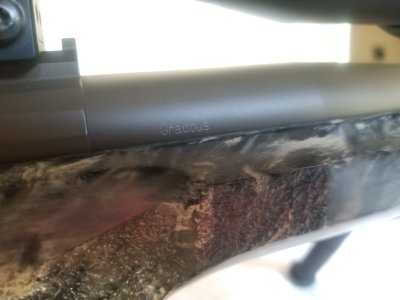
A few decades later, I bought a lathe and a milling machine. And then a surface grinder, and then another lathe. I learned the basics from a lunatic genius name Robert Gradous and the finer points by D’Arcy Echols, one of the greatest gunmakers alive.
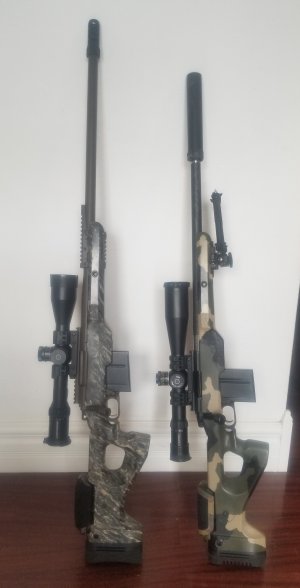
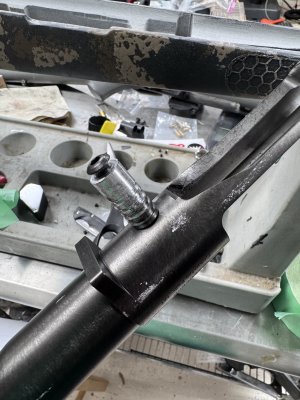
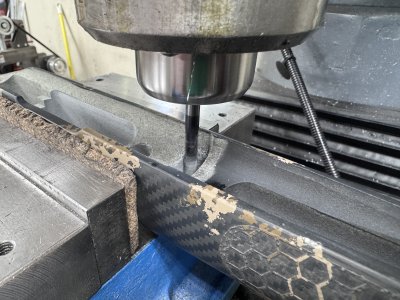
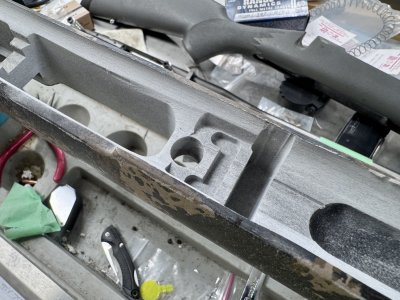
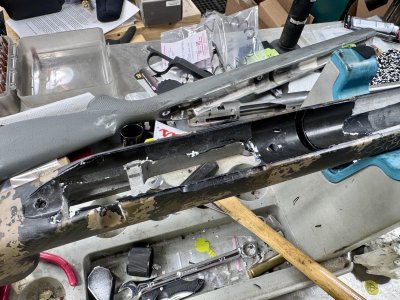
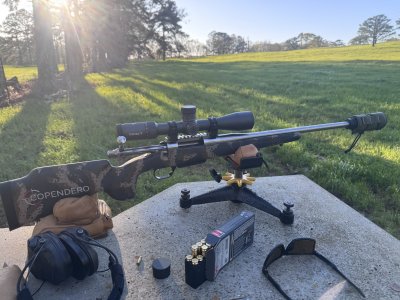
This project was sort of the result of leftovers. I had an orphan Defiance Tenacity action and a Pure Precision stock that was sent to someone as a sample that was never used. I kicked the tires on a few ideas before landing on a 6mm Creedmoor that I could use as a do-it-all rifle around the farm. Shooting steel, deer, hogs and the occasional coyote.
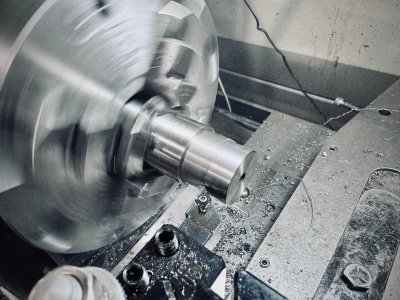
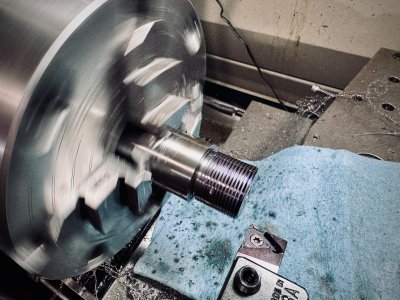
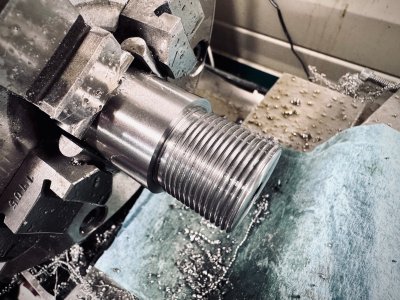
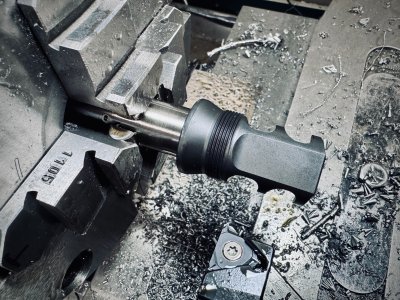
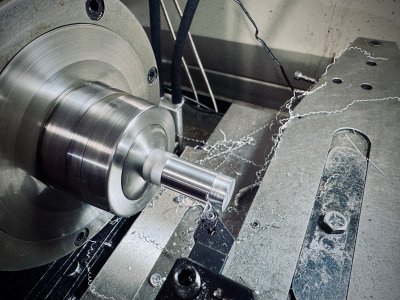
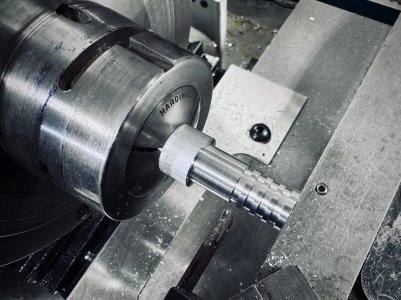
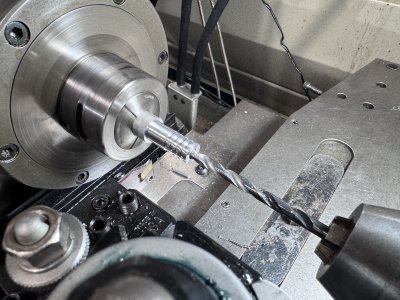
I ordered a cut-rifled barrel blank and waited. Life got busy and the parts collected dust until I finally locked the door, turned off the phone and started making chips.
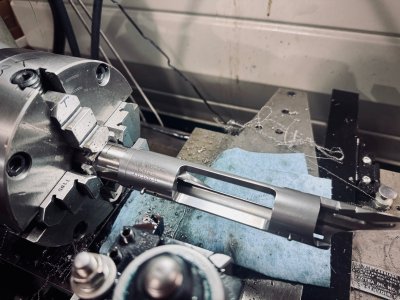
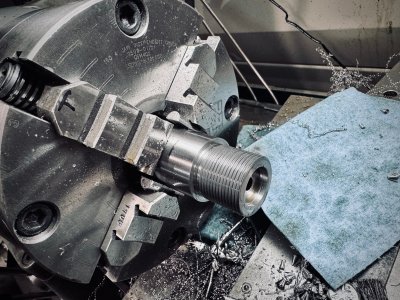
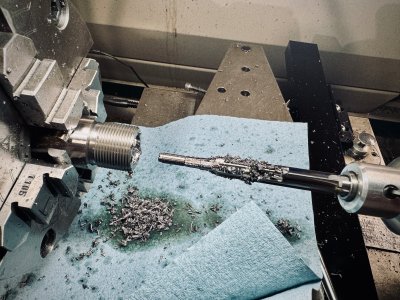
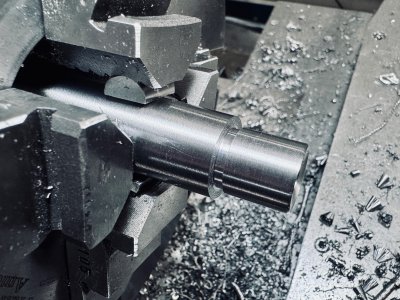
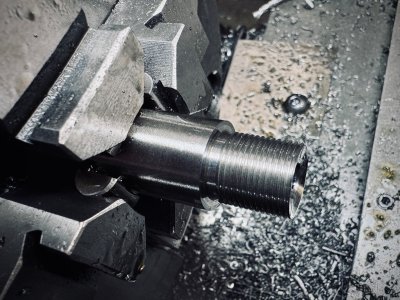
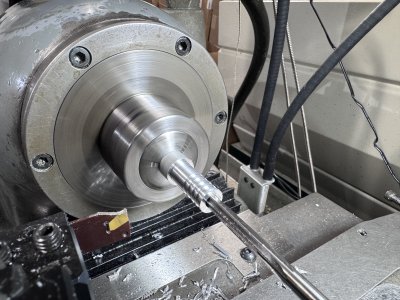
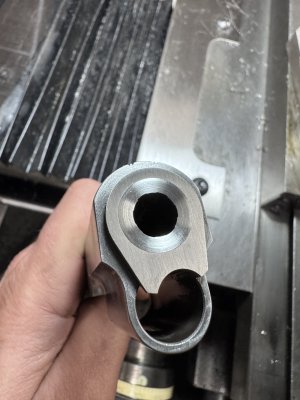
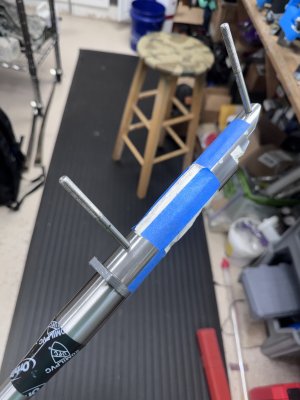
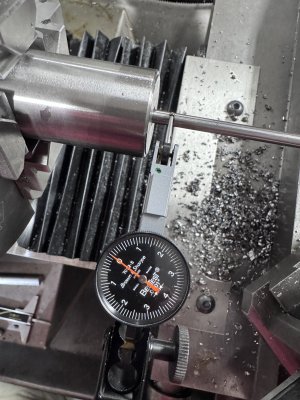
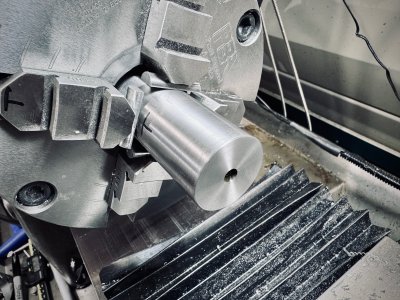
Even the best barrels are far from straight—the key is to start the bullet on its path so that it engraves into the leade of the bore as directly as possible. Using a four-jaw chuck fit with a set of gimbals, I use a piloted indicator rod to align the bore with the lathe’s spindle over the length of the chamber. I don’t care if the muzzle is flapping in the breeze so long as the first 3” or so are running within .0001”. Running the rod into and out of the bore with the indicator measuring runout allows for establishing coaxial alignment. It takes a while, but it's worth it.
A few decades later, I bought a lathe and a milling machine. And then a surface grinder, and then another lathe. I learned the basics from a lunatic genius name Robert Gradous and the finer points by D’Arcy Echols, one of the greatest gunmakers alive.
This project was sort of the result of leftovers. I had an orphan Defiance Tenacity action and a Pure Precision stock that was sent to someone as a sample that was never used. I kicked the tires on a few ideas before landing on a 6mm Creedmoor that I could use as a do-it-all rifle around the farm. Shooting steel, deer, hogs and the occasional coyote.
I ordered a cut-rifled barrel blank and waited. Life got busy and the parts collected dust until I finally locked the door, turned off the phone and started making chips.
Even the best barrels are far from straight—the key is to start the bullet on its path so that it engraves into the leade of the bore as directly as possible. Using a four-jaw chuck fit with a set of gimbals, I use a piloted indicator rod to align the bore with the lathe’s spindle over the length of the chamber. I don’t care if the muzzle is flapping in the breeze so long as the first 3” or so are running within .0001”. Running the rod into and out of the bore with the indicator measuring runout allows for establishing coaxial alignment. It takes a while, but it's worth it.