F
Field Ethos
Guest
By Chad Adams
I’m a proud Kentuckian, and as an outdoorsman I’ve enjoyed a front-row seat to what I believe is one of the better wildlife management efforts in the country. From bringing back sturgeon in the Laurel River to the reintroduction of elk across Eastern Kentucky, the Kentucky Department of Fish and Wildlife Resources has scored some big wins over the years.
Now its biologists believe they have cracked the genetic code, potentially unlocking the secret to breeding monster largemouth bass.
Kentucky biologists collaborating with the Center for Aquaculture Technologies recently identified specific genetic markers associated with enhanced size in native largemouth bass. This all came under a new initiative, dubbed the Thoroughbred Bass Program, targeting selective breeding of Kentucky-origin bass carrying these markers. The ultimate goal would culminate with stocking these selected bass in public waters.
Better genes equal a higher probability of producing trophy largemouth bass.
“For more than 50 years, biologists have been trying to increase the size potential of largemouth bass,” said Adam Martin, Fisheries Division biologist with Kentucky Fish and Wildlife, said in a department press release. “In many states to our south, that effort involves stocking non-native Florida bass or first generation (F1) hybrids. Stocking Florida bass has increased bass size in many lakes in warmer climates but despite other attempts, it hasn’t worked so far in areas colder than southern Tennessee. More northern states like ours haven’t had any great options for improving their genetics until now.”
Kentucky is by no means new to trophy bass management. A shining example is Cedar Creek Lake in central Kentucky. Impounded in 2002, from the jump Kentucky managed this small 788-acre lake for trophy largemouths. A 300-foot buffer zone surrounds the lake, which is fertile and loaded with aquatic vegetation and structure, both natural and manufactured. And they manage it well; it has always employed protective limits or heavy restrictions on keeping bass. Anglers currently can keep one bass, 20-inch minimum.
It’s a great lake that gets pounded pretty hard by diehard bass fisherman like myself. And after more than 20 years, even with all that effort, it appears we’ve topped out in the potential for bass growth. Cedar Creek remains one of the top impoundments in the state for both volume and solid size—you can hook the 4 and 5 pounders. But the consistent production of 10+ pounders seen in the South remains elusive.
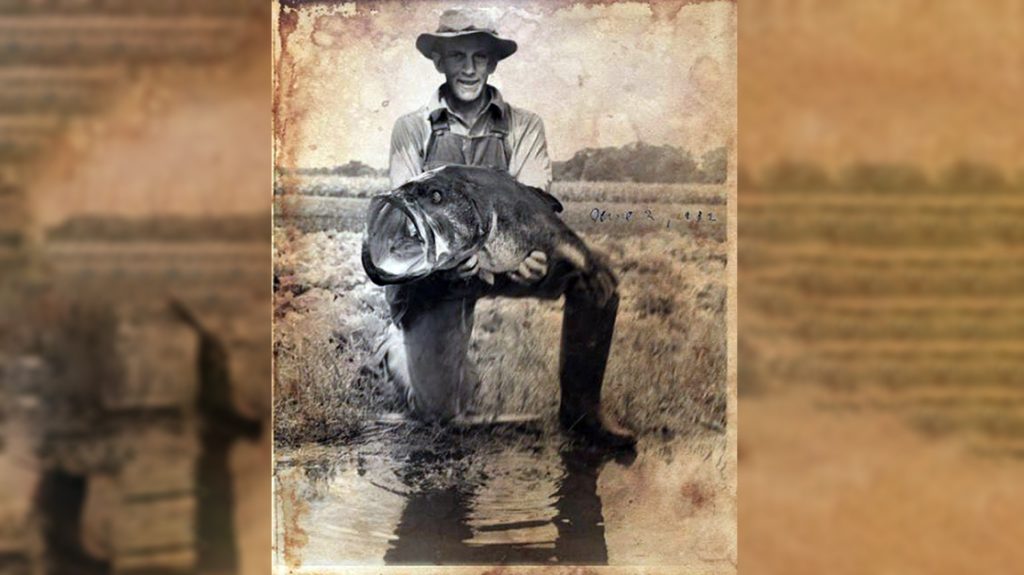
An alleged image of George Perry and his world record bass, the legendary 22-pound, 4-ounce fish that dominates fishing lore.
“Modern genetic tools are opening up a whole new world of potential that biologists even 10 years ago could only dream about,” Martin said. “To the best of our knowledge, this is the first time such markers have been identified in largemouth bass.”
In a process, according to the department, known as a Genome Wide Association Sturdy, researchers employed whole-genome sequencing to identify single genetic markers linked to large size potential. The team sampled 150 bass weighing more than 5 pounds, pulled from 30 different lakes. They compared this sample with 150 slower-growing bass under 3.5 pounds. They did some seriously sciencey sorcery, analyzing more than 3 million markers per fish. Through all of the nerding out, they identified what the big fish had in common.
Now biologists have the tools to screen potential largemouth bass broodfish for genetic purity. Though it sounds scarily Nazi-ish, they will then selective breed fish to grow into monsters. The endgame would deliver Thoroughbred Bass breeding with each other in the wild—potentially upgrading the bass fishery in the Bluegrass State forevermore.
“This process is very similar to the traditional selective breeding programs used in agriculture for millennia,” said Jeff Ross, Fisheries Division assistant director. “The only difference is that we are using genetic markers to pick which fish to breed. Most importantly, we can use bass caught right here in Kentucky—which preserves local adaptation and genetic integrity.”
“The Thoroughbred Bass Program represents a science-driven, sustainable investment in Kentucky’s bass fisheries,” Fisheries Division Director Dave Dreves said. “By combining advanced genetics with traditional hatchery practices, we are working to ensure that future generations of anglers have the opportunity to continue to catch exceptional bass in Kentucky waters.”

Researchers claim the potential for the Thoroughbred Bass program extends even beyond growing bigger bass. They believe the selective breeding can even reinvigorate aggressiveness in fish, theoretically bringing more strikes, for example.
“Although the first production of ‘Thoroughbred Bass’ was anticipated in 2026, unfortunately we are currently still awaiting the manufacture of the required screening panel of trophy markers,” Martin said. “Bass only spawn once a year so we only get one shot. Unfortunately, it looks like we will miss our window this year to start the selective breeding process.”
So after all that, they aren’t ready to launch quite yet. Bummer. Believe when I say I’ll be all over this in 2027 and years to come. Every angler out there should be rooting for the success of the Thoroughbred Bass Program. Because if it can work here, it might just represent the foundational work that leads to bigger fish everywhere—killer cutthroats in Montana, steamboat-sized steelhead on the Great Lakes, or maybe tugboat-size tuna off the Outer Banks.
Or maybe they’ll all just grow biceps and teeth and kill us all. Eh, whatever, I’ll still be out there flipping a Senko and trying my luck.
For more info, check out the Thoroughbred Bass Program.
The post Did Kentucky Just Crack the Genetic Code to Growing Monster Bass? appeared first on Field Ethos.
Continue reading...
I’m a proud Kentuckian, and as an outdoorsman I’ve enjoyed a front-row seat to what I believe is one of the better wildlife management efforts in the country. From bringing back sturgeon in the Laurel River to the reintroduction of elk across Eastern Kentucky, the Kentucky Department of Fish and Wildlife Resources has scored some big wins over the years.
Now its biologists believe they have cracked the genetic code, potentially unlocking the secret to breeding monster largemouth bass.
Kentucky biologists collaborating with the Center for Aquaculture Technologies recently identified specific genetic markers associated with enhanced size in native largemouth bass. This all came under a new initiative, dubbed the Thoroughbred Bass Program, targeting selective breeding of Kentucky-origin bass carrying these markers. The ultimate goal would culminate with stocking these selected bass in public waters.
Better genes equal a higher probability of producing trophy largemouth bass.
The Bass Code
“For more than 50 years, biologists have been trying to increase the size potential of largemouth bass,” said Adam Martin, Fisheries Division biologist with Kentucky Fish and Wildlife, said in a department press release. “In many states to our south, that effort involves stocking non-native Florida bass or first generation (F1) hybrids. Stocking Florida bass has increased bass size in many lakes in warmer climates but despite other attempts, it hasn’t worked so far in areas colder than southern Tennessee. More northern states like ours haven’t had any great options for improving their genetics until now.”
Kentucky is by no means new to trophy bass management. A shining example is Cedar Creek Lake in central Kentucky. Impounded in 2002, from the jump Kentucky managed this small 788-acre lake for trophy largemouths. A 300-foot buffer zone surrounds the lake, which is fertile and loaded with aquatic vegetation and structure, both natural and manufactured. And they manage it well; it has always employed protective limits or heavy restrictions on keeping bass. Anglers currently can keep one bass, 20-inch minimum.
It’s a great lake that gets pounded pretty hard by diehard bass fisherman like myself. And after more than 20 years, even with all that effort, it appears we’ve topped out in the potential for bass growth. Cedar Creek remains one of the top impoundments in the state for both volume and solid size—you can hook the 4 and 5 pounders. But the consistent production of 10+ pounders seen in the South remains elusive.
An alleged image of George Perry and his world record bass, the legendary 22-pound, 4-ounce fish that dominates fishing lore.
Getting Techy
“Modern genetic tools are opening up a whole new world of potential that biologists even 10 years ago could only dream about,” Martin said. “To the best of our knowledge, this is the first time such markers have been identified in largemouth bass.”
In a process, according to the department, known as a Genome Wide Association Sturdy, researchers employed whole-genome sequencing to identify single genetic markers linked to large size potential. The team sampled 150 bass weighing more than 5 pounds, pulled from 30 different lakes. They compared this sample with 150 slower-growing bass under 3.5 pounds. They did some seriously sciencey sorcery, analyzing more than 3 million markers per fish. Through all of the nerding out, they identified what the big fish had in common.
Now biologists have the tools to screen potential largemouth bass broodfish for genetic purity. Though it sounds scarily Nazi-ish, they will then selective breed fish to grow into monsters. The endgame would deliver Thoroughbred Bass breeding with each other in the wild—potentially upgrading the bass fishery in the Bluegrass State forevermore.
The Thoroughbred Bass Run
“This process is very similar to the traditional selective breeding programs used in agriculture for millennia,” said Jeff Ross, Fisheries Division assistant director. “The only difference is that we are using genetic markers to pick which fish to breed. Most importantly, we can use bass caught right here in Kentucky—which preserves local adaptation and genetic integrity.”
“The Thoroughbred Bass Program represents a science-driven, sustainable investment in Kentucky’s bass fisheries,” Fisheries Division Director Dave Dreves said. “By combining advanced genetics with traditional hatchery practices, we are working to ensure that future generations of anglers have the opportunity to continue to catch exceptional bass in Kentucky waters.”
Researchers claim the potential for the Thoroughbred Bass program extends even beyond growing bigger bass. They believe the selective breeding can even reinvigorate aggressiveness in fish, theoretically bringing more strikes, for example.
“Although the first production of ‘Thoroughbred Bass’ was anticipated in 2026, unfortunately we are currently still awaiting the manufacture of the required screening panel of trophy markers,” Martin said. “Bass only spawn once a year so we only get one shot. Unfortunately, it looks like we will miss our window this year to start the selective breeding process.”
So after all that, they aren’t ready to launch quite yet. Bummer. Believe when I say I’ll be all over this in 2027 and years to come. Every angler out there should be rooting for the success of the Thoroughbred Bass Program. Because if it can work here, it might just represent the foundational work that leads to bigger fish everywhere—killer cutthroats in Montana, steamboat-sized steelhead on the Great Lakes, or maybe tugboat-size tuna off the Outer Banks.
Or maybe they’ll all just grow biceps and teeth and kill us all. Eh, whatever, I’ll still be out there flipping a Senko and trying my luck.
For more info, check out the Thoroughbred Bass Program.
The post Did Kentucky Just Crack the Genetic Code to Growing Monster Bass? appeared first on Field Ethos.
Continue reading...