F
Field Ethos
Guest
By Edgar Castillo
We’re talking about The Queen. You know, Her Late Majesty Queen Elizabeth II. There is absolutely no question that the former queen regnant lived an extraordinary life. She served for 70 years, from 1952 until her passing in 2022 at 96 years old, making her the longest-reigning British monarch. She was renowned for her unwavering sense of duty, stability, and devotion to public service while acting as a key diplomatic figure for the 32 different sovereign nations she served as head of state for. But, in between her regal duties Queen Elizabeth II was the dog’s bullocks as an outdoorswoman.
At 14, the future queen trained with a variety of firearms. This laid the groundwork in her becoming very proficient with the rifle and shotgun in her future years. This helped her father, King George, to allow her to join the women’s branch of the British Army during WWII, where she served with distinction as a mechanic.
After the war, the Queen followed her royal family’s long tradition of outdoor pursuits. Queen Elizabeth II was a countrywoman to her core. Not only was she a capable equestrian, but a dedicated enthusiast of traditional country sports. She actively participated in fishing, deer stalking (she helped carry out the stag she shot at age 18), fox hunting, and bird hunting. The Queen saw hunting as a natural part of her vast estates and felt the most relaxed across the moorlands of both England and Scotland.
In the early 1960s Queen Elizabeth II developed a serious interest in Labrador gun dogs. This led her to start a dedicated breeding and training program at Sandringham House. The Sandringham Labrador bloodline bred several field champions and were regularly used in hunts. The royal kennels also housed spaniels that worked in tandem with the reputable labradors. They were used to push hares and pheasants from waist-high cover towards the “guns,” while the labradors found and retrieved game. The Queen herself controlled her labs (25 dogs) by means of whistles and hand signals at distances up to 800 yards. She was often seen with a pair of labs at her heel while she moved about during shoots.
There could be no gundogs without shooting, and Queen Elizabeth II organized and participated in many driven pheasant and grouse shoots attended by family, guests, and visitors. These hunts were held on private highlands and moors, rich with game. “In August we go to Balmoral for the grouse,” the Queen would say. She was referring to her family’s tradition in partaking in The Glorious Twelfth (Aug. 12), which marks the traditional start of the red grouse shooting season across the United Kingdom. And in regard to grouse—it was not unusual for it to be on the menu for two months. That is how much the Queen loved eating grouse!
Balmoral Estate, Scotland, encompassed over 50,000 acres of rugged terrain, mountains, forests, lochs, and boggy meadows. It was here the Queen, acting as a sort of a field marshal, helped coordinate the guns, beaters, picker-ups, dogs, and dog handlers as they flushed red grouse across the heather moorlands.
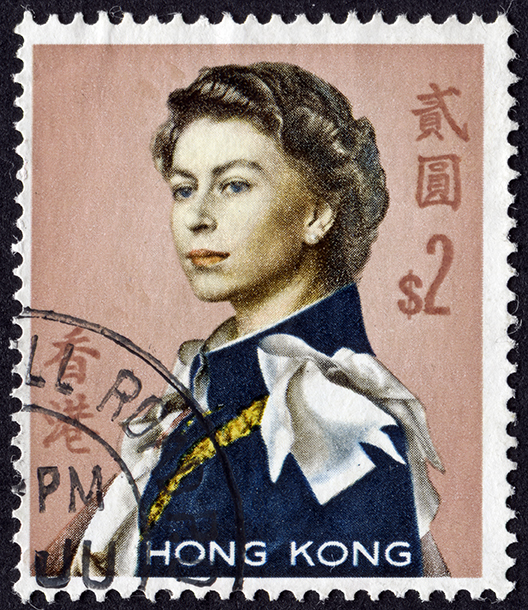
Throughout her sporting life there are no widely published photos of Queen Elizabeth II holding a shotgun. However, eyewitness accounts described her as being a “crack shot,” often killing many gamebirds. She was known to favor luxury, bespoke James Purdey & Sons shotguns in 12-bore from the royal armory.
What the press did manage to capture was the Queen engaged in retrieving dead pheasants. In fact, the Queen was a very keen picker-up in her later years. This crucial role involved retrieving shot birds with the help of dogs. On occasion, “runners,” or wounded birds, were pursued and collected. It was the Queen’s favorite activity during bouts of shooting. Often dressed in Barbour wax jackets, tartan or pleated tweed skirts, and patterned silk headscarves tied under her chin, the Queen gracefully walked around with the aid of a stag horn walking stick.
In November of 2000, Queen Elizabeth II was photographed wringing the neck of a flailing pheasant with her royal bare hands during a hunt. The bird had been retrieved by one of her gundogs and brought to the Queen, where she quickly dispatched it. The incident caused an outcry among animal rights activists, dubbing her “The Killer Queen.” Buckingham Palace defended the Queen’s actions. A few days later the Queen wore a hat adorned with pheasant feathers to church. It was rumored that it was a subtle “pointed gesture” in response to the silly criticism and name calling.
Four years later, her royal highness was once again at the center of attention. It was January and beaters had pushed through a stretch of woods, rousting pheasants into the air. The Queen walking behind the shooting party, came across an injured pheasant that had been “peppered with shot.” She nonchalantly struck the bird repeatedly with her walking stick until it was dead, then picked it up and gave it to an aide. Her action was criticized as horrific, as it was common for her family’s involvement in high-volume “blood sports” to be controversial by animal advocates.
Queen Elizabeth II was known to have had a sharp mind and wit about her. While on shoot at a friend’s estate, a wounded cock pheasant flew out of a hedge straight at her, flapping, and clawing, knocking her down. Standing nearby was a detective, and upon seeing blood on her clothing, feared the Queen had been shot. He immediately threw himself on top of her and began giving her mouth-to-mouth resuscitation. The Queen pushed him off and later said, “I consider we got to know each other rather well.” She later appointed the man to her protection detail.
In the early weeks of autumn of 1995, the 69-year-old queen was involved in a freak accident according to the palace. During a misty morning shoot, a low-flying grouse was shot from the sky, spiraling it towards the Queen. She was struck by the falling dead grouse, hitting her shoulder, causing injury. Briefly shocked, the Queen brushed off the incident and continued her walk with the hunters.
It was no mistake that Queen Elizabeth II was at home in the field. It was common for the Queen to drive her Range Rover—she was the only person in the UK allowed to drive without a license—around her property with a couple of labs and a pile of dead birds in the back, checking on the gamekeepers and the rhythm of the hunt. The Queen had a passion for hunting and oftentimes would picnic on hillsides drafting up plans for the next pheasant or grouse shoot. It was this energy that kept Queen Elizabeth II grounded, and the unofficial distinction of being the Monarch of the Moors.
The post England’s Monarch of the Moors appeared first on Field Ethos.
Continue reading...
We’re talking about The Queen. You know, Her Late Majesty Queen Elizabeth II. There is absolutely no question that the former queen regnant lived an extraordinary life. She served for 70 years, from 1952 until her passing in 2022 at 96 years old, making her the longest-reigning British monarch. She was renowned for her unwavering sense of duty, stability, and devotion to public service while acting as a key diplomatic figure for the 32 different sovereign nations she served as head of state for. But, in between her regal duties Queen Elizabeth II was the dog’s bullocks as an outdoorswoman.
At 14, the future queen trained with a variety of firearms. This laid the groundwork in her becoming very proficient with the rifle and shotgun in her future years. This helped her father, King George, to allow her to join the women’s branch of the British Army during WWII, where she served with distinction as a mechanic.
After the war, the Queen followed her royal family’s long tradition of outdoor pursuits. Queen Elizabeth II was a countrywoman to her core. Not only was she a capable equestrian, but a dedicated enthusiast of traditional country sports. She actively participated in fishing, deer stalking (she helped carry out the stag she shot at age 18), fox hunting, and bird hunting. The Queen saw hunting as a natural part of her vast estates and felt the most relaxed across the moorlands of both England and Scotland.
Royal Kennels & the Glorious Twelfth
In the early 1960s Queen Elizabeth II developed a serious interest in Labrador gun dogs. This led her to start a dedicated breeding and training program at Sandringham House. The Sandringham Labrador bloodline bred several field champions and were regularly used in hunts. The royal kennels also housed spaniels that worked in tandem with the reputable labradors. They were used to push hares and pheasants from waist-high cover towards the “guns,” while the labradors found and retrieved game. The Queen herself controlled her labs (25 dogs) by means of whistles and hand signals at distances up to 800 yards. She was often seen with a pair of labs at her heel while she moved about during shoots.
There could be no gundogs without shooting, and Queen Elizabeth II organized and participated in many driven pheasant and grouse shoots attended by family, guests, and visitors. These hunts were held on private highlands and moors, rich with game. “In August we go to Balmoral for the grouse,” the Queen would say. She was referring to her family’s tradition in partaking in The Glorious Twelfth (Aug. 12), which marks the traditional start of the red grouse shooting season across the United Kingdom. And in regard to grouse—it was not unusual for it to be on the menu for two months. That is how much the Queen loved eating grouse!
Balmoral Estate, Scotland, encompassed over 50,000 acres of rugged terrain, mountains, forests, lochs, and boggy meadows. It was here the Queen, acting as a sort of a field marshal, helped coordinate the guns, beaters, picker-ups, dogs, and dog handlers as they flushed red grouse across the heather moorlands.
Ringing Necks and Whacking Birds
Throughout her sporting life there are no widely published photos of Queen Elizabeth II holding a shotgun. However, eyewitness accounts described her as being a “crack shot,” often killing many gamebirds. She was known to favor luxury, bespoke James Purdey & Sons shotguns in 12-bore from the royal armory.
What the press did manage to capture was the Queen engaged in retrieving dead pheasants. In fact, the Queen was a very keen picker-up in her later years. This crucial role involved retrieving shot birds with the help of dogs. On occasion, “runners,” or wounded birds, were pursued and collected. It was the Queen’s favorite activity during bouts of shooting. Often dressed in Barbour wax jackets, tartan or pleated tweed skirts, and patterned silk headscarves tied under her chin, the Queen gracefully walked around with the aid of a stag horn walking stick.
In November of 2000, Queen Elizabeth II was photographed wringing the neck of a flailing pheasant with her royal bare hands during a hunt. The bird had been retrieved by one of her gundogs and brought to the Queen, where she quickly dispatched it. The incident caused an outcry among animal rights activists, dubbing her “The Killer Queen.” Buckingham Palace defended the Queen’s actions. A few days later the Queen wore a hat adorned with pheasant feathers to church. It was rumored that it was a subtle “pointed gesture” in response to the silly criticism and name calling.
Four years later, her royal highness was once again at the center of attention. It was January and beaters had pushed through a stretch of woods, rousting pheasants into the air. The Queen walking behind the shooting party, came across an injured pheasant that had been “peppered with shot.” She nonchalantly struck the bird repeatedly with her walking stick until it was dead, then picked it up and gave it to an aide. Her action was criticized as horrific, as it was common for her family’s involvement in high-volume “blood sports” to be controversial by animal advocates.
More Awkward Moments
Queen Elizabeth II was known to have had a sharp mind and wit about her. While on shoot at a friend’s estate, a wounded cock pheasant flew out of a hedge straight at her, flapping, and clawing, knocking her down. Standing nearby was a detective, and upon seeing blood on her clothing, feared the Queen had been shot. He immediately threw himself on top of her and began giving her mouth-to-mouth resuscitation. The Queen pushed him off and later said, “I consider we got to know each other rather well.” She later appointed the man to her protection detail.
In the early weeks of autumn of 1995, the 69-year-old queen was involved in a freak accident according to the palace. During a misty morning shoot, a low-flying grouse was shot from the sky, spiraling it towards the Queen. She was struck by the falling dead grouse, hitting her shoulder, causing injury. Briefly shocked, the Queen brushed off the incident and continued her walk with the hunters.
It was no mistake that Queen Elizabeth II was at home in the field. It was common for the Queen to drive her Range Rover—she was the only person in the UK allowed to drive without a license—around her property with a couple of labs and a pile of dead birds in the back, checking on the gamekeepers and the rhythm of the hunt. The Queen had a passion for hunting and oftentimes would picnic on hillsides drafting up plans for the next pheasant or grouse shoot. It was this energy that kept Queen Elizabeth II grounded, and the unofficial distinction of being the Monarch of the Moors.
The post England’s Monarch of the Moors appeared first on Field Ethos.
Continue reading...

