F
Field Ethos
Guest
By Byron Harvison
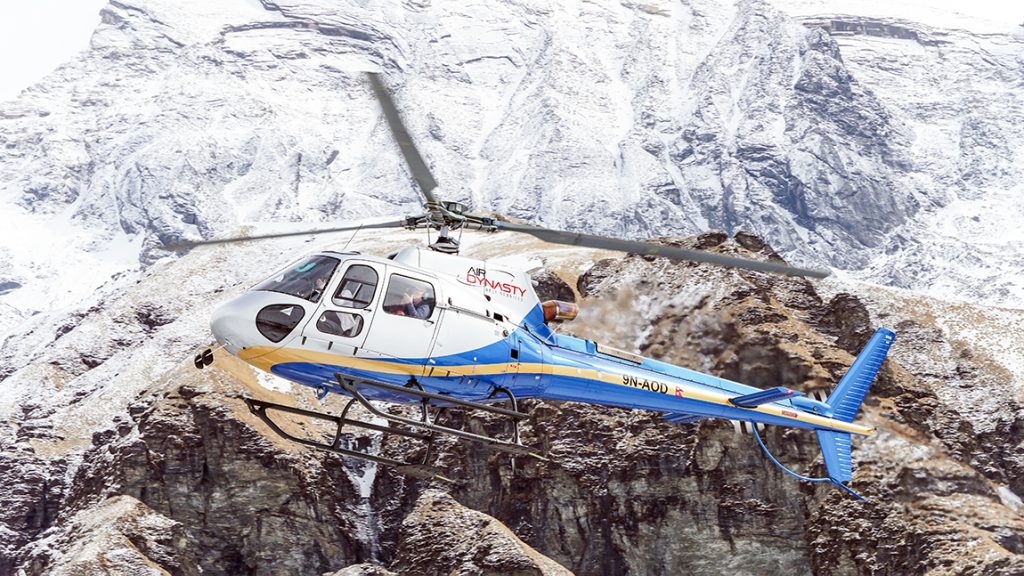
A sweeping investigation by Nepali police has sent shockwaves through the global mountaineering community, revealing allegations that some Mount Everest guides may have deliberately drugged foreign climbers to trigger costly emergency evacuations. Authorities claim the scheme, valued at approximately $20 million, was designed to exploit travel and rescue insurance systems, with helicopter evacuations used as the primary mechanism for fraudulent claims.
According to officials, 32 individuals have been charged and 11 arrests have been made so far, including operators of mountain rescue companies. The scale of the alleged fraud is striking: investigators estimate that as many as 4,782 international climbers may have been affected between 2022 and 2025.
While the legal process is still unfolding, the implications of these accusations extend far beyond criminal accountability. If proven true, the scandal could fundamentally alter how climbers, insurers, and governments approach high-altitude expeditions—not just in Nepal, but worldwide.
At the heart of mountaineering is trust. Climbers rely heavily on guides for navigation, safety decisions, and survival in extreme conditions. These professionals are often viewed as lifelines in environments where a single mistake can prove fatal.
The allegations threaten to undermine that trust at a foundational level. If guides are perceived as having financial incentives that conflict with the well-being of their clients, climbers may begin to question critical decisions, such as when to descend, when to call for help, or whether a medical emergency is genuine.
Such skepticism could create dangerous hesitation in life-or-death situations. Climbers might delay necessary evacuations or ignore symptoms of altitude sickness out of fear they are being manipulated. In high-altitude environments, that delay can be deadly.
The insurance industry is also likely to respond decisively. Travel and rescue insurance providers depend on accurate reporting and good-faith actions from guides and rescue teams. A fraud scheme of this magnitude introduces significant financial risk and operational uncertainty.
Insurers may begin tightening their policies in several ways, whether restricting coverage in high-risk regions such as Nepal, increasing premiums for expeditions involving guided climbs, requiring stricter verification before approving evacuations, or partnering only with vetted operators or approved guide networks.
In a worst-case scenario, some insurers could withdraw coverage altogether for certain regions. This would have immediate consequences for climbers, many of whom rely on insurance as a prerequisite for obtaining permits or funding expeditions.
Mountaineering tourism is a critical component of Nepal’s economy, with Everest expeditions generating millions of dollars annually. Any loss of confidence, whether from climbers or insurers, could significantly reduce the number of expeditions.
Fewer climbers would mean reduced income not only for guiding companies, but also for porters, hotel operators, airlines, and local communities that depend on seasonal climbing traffic.
Even ethical and reputable guiding companies could suffer collateral damage, as suspicion spreads across the entire industry.
The concerns raised by this case may not be confined to mountaineering alone. Other guide-dependent outdoor industries, such as hunting and fishing, operate on a similar foundation of trust between client and outfitter. In these settings, guides often control logistics, safety decisions, and access to remote environments where clients have limited oversight.
If allegations of manipulation for financial reward gain traction in one sector, they could prompt increased scrutiny across others. Regulators and insurers may begin reevaluating oversight standards, liability structures, and verification processes for guided trips more broadly.
For clients, this could translate into greater caution when selecting outfitters, while ethical operators face additional pressure to demonstrate transparency and accountability in order to maintain credibility.
The Everest fraud investigation may ultimately represent a turning point. If the claims are substantiated, it will expose vulnerabilities in a system that has long operated on trust and tradition.
For climbers, the mountains will always carry risk. But the expectation has been that those risks are natural, not manufactured. Preserving that distinction is essential for the future of mountaineering.
As the case unfolds, the global climbing community will be watching closely, not just for justice, but for reassurance that the world’s highest peaks remain places of challenge and wonder, not exploitation.
Editor’s Note: Use fully vetted, professional outfitters for any outdoor adventure. Choose FE Outrider.

The post Mount Everest Fraud Allegations Rock Climbing Community appeared first on Field Ethos.
Continue reading...
A sweeping investigation by Nepali police has sent shockwaves through the global mountaineering community, revealing allegations that some Mount Everest guides may have deliberately drugged foreign climbers to trigger costly emergency evacuations. Authorities claim the scheme, valued at approximately $20 million, was designed to exploit travel and rescue insurance systems, with helicopter evacuations used as the primary mechanism for fraudulent claims.
According to officials, 32 individuals have been charged and 11 arrests have been made so far, including operators of mountain rescue companies. The scale of the alleged fraud is striking: investigators estimate that as many as 4,782 international climbers may have been affected between 2022 and 2025.
While the legal process is still unfolding, the implications of these accusations extend far beyond criminal accountability. If proven true, the scandal could fundamentally alter how climbers, insurers, and governments approach high-altitude expeditions—not just in Nepal, but worldwide.
Erosion of Trust in Mountain Guides
At the heart of mountaineering is trust. Climbers rely heavily on guides for navigation, safety decisions, and survival in extreme conditions. These professionals are often viewed as lifelines in environments where a single mistake can prove fatal.
The allegations threaten to undermine that trust at a foundational level. If guides are perceived as having financial incentives that conflict with the well-being of their clients, climbers may begin to question critical decisions, such as when to descend, when to call for help, or whether a medical emergency is genuine.
Such skepticism could create dangerous hesitation in life-or-death situations. Climbers might delay necessary evacuations or ignore symptoms of altitude sickness out of fear they are being manipulated. In high-altitude environments, that delay can be deadly.
Insurance Industry Fallout
The insurance industry is also likely to respond decisively. Travel and rescue insurance providers depend on accurate reporting and good-faith actions from guides and rescue teams. A fraud scheme of this magnitude introduces significant financial risk and operational uncertainty.
Insurers may begin tightening their policies in several ways, whether restricting coverage in high-risk regions such as Nepal, increasing premiums for expeditions involving guided climbs, requiring stricter verification before approving evacuations, or partnering only with vetted operators or approved guide networks.
In a worst-case scenario, some insurers could withdraw coverage altogether for certain regions. This would have immediate consequences for climbers, many of whom rely on insurance as a prerequisite for obtaining permits or funding expeditions.
Economic Impact on Nepal’s Tourism Sector
Mountaineering tourism is a critical component of Nepal’s economy, with Everest expeditions generating millions of dollars annually. Any loss of confidence, whether from climbers or insurers, could significantly reduce the number of expeditions.
Fewer climbers would mean reduced income not only for guiding companies, but also for porters, hotel operators, airlines, and local communities that depend on seasonal climbing traffic.
Even ethical and reputable guiding companies could suffer collateral damage, as suspicion spreads across the entire industry.
Broader Implications for Other Guide-Based Industries
The concerns raised by this case may not be confined to mountaineering alone. Other guide-dependent outdoor industries, such as hunting and fishing, operate on a similar foundation of trust between client and outfitter. In these settings, guides often control logistics, safety decisions, and access to remote environments where clients have limited oversight.
If allegations of manipulation for financial reward gain traction in one sector, they could prompt increased scrutiny across others. Regulators and insurers may begin reevaluating oversight standards, liability structures, and verification processes for guided trips more broadly.
For clients, this could translate into greater caution when selecting outfitters, while ethical operators face additional pressure to demonstrate transparency and accountability in order to maintain credibility.
A Turning Point for High-Altitude Expeditions
The Everest fraud investigation may ultimately represent a turning point. If the claims are substantiated, it will expose vulnerabilities in a system that has long operated on trust and tradition.
For climbers, the mountains will always carry risk. But the expectation has been that those risks are natural, not manufactured. Preserving that distinction is essential for the future of mountaineering.
As the case unfolds, the global climbing community will be watching closely, not just for justice, but for reassurance that the world’s highest peaks remain places of challenge and wonder, not exploitation.
Editor’s Note: Use fully vetted, professional outfitters for any outdoor adventure. Choose FE Outrider.
The post Mount Everest Fraud Allegations Rock Climbing Community appeared first on Field Ethos.
Continue reading...


