F
Field Ethos
Guest
By Caleb McClain
We sat around the campfire, passing around a pint of Kentucky’s finest as a consolation prize for hiking up the mountain in a driving blizzard and not seeing a single hide or hair of the monster mule deer we were dreaming of for the past few days. The weather was so bad that one of the guys in our group who had failed to train for the unforgiving mountain terrain and altitude was struggling to even leave the tent, forcing us to consider either hitting the SOS on my inReach or carrying him down the mountain ourselves.
“I guess this is where the “gore” part of the name Gore Range comes from,” Brandon said, taking a swig to pause. “Just a nasty, unforgiving place. I could see it getting pretty gory if you weren’t prepared.”
“Well, actually,” I motioned for him to pass the bottle, then proceeded to tell them a story of the man for whom the mountains were named.
Around the time the word “safari” first entered the English lexicon, Irish Baron and avid outdoorsman Sir St. George Gore, set his sights on having some for himself. After hunting Africa and Asia, he turned to America, to the vast plains and mountains beyond the frontier that we call the American West. He arrived in Missouri in March of 1854, and after acquiring all necessary provisions and many luxuries that would never be considered by the average hunter, set out for the most controversial hunting trip in American history.
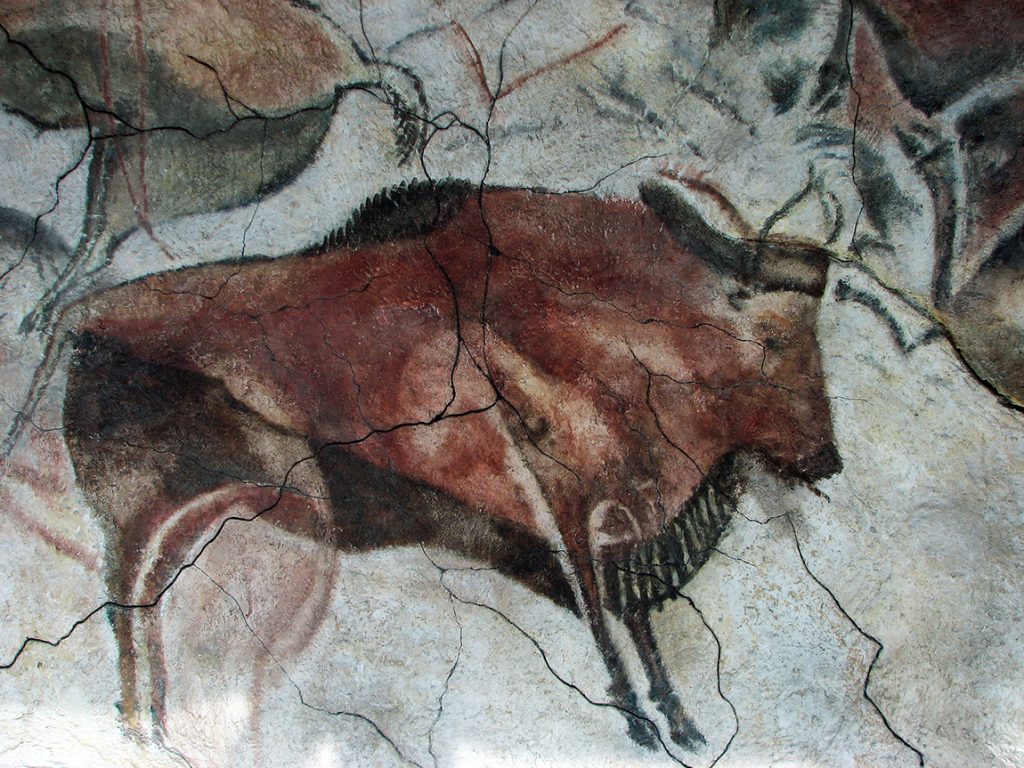
The procession was a spectacle crossing the barren plains. Led by none other than famous mountain man Jim Bridger, it included 40 men who were outfitted with well over 100 guns, 50 hunting dogs, and over 100 horses and 20 yokes of oxen pulling six wagons and 21 carts. No luxury was spared either. The Baron insisted on having a camp that included a steel bathtub, an oak dining set, carpets, a bed with a solid brass frame, and a library of books that were read aloud so frequently that Bridger was said to have learned entire passages of Shakespeare by heart from the trip. In fact, Gore himself claimed that he spent over $500,000 on the three-year expedition.
Unlike many of the great hunting expeditions of the latter-half of the 19th Century that were done for science, this was done for one purpose: to kill every animal they saw. As they marched on through Colorado, Wyoming, and into Montana, every beast in their path met a similar end. The trail of carcasses the party left in their wake was so extreme that the local tribes began lodging formal complaints with the federal government, eventually causing the Superintendent of the Bureau of Indian Affairs to publicly detest the event, a sentiment shared by many Americans back east.
In fact, perhaps only Gore himself would claim the trip was a success, with most seeing the trip as a greedy display of wanton waste. Gore himself claimed to have killed 105 bears, over 2,000 bison, 600 deer, and it is estimated that he killed over 1,600 elk on the trip. I suppose he was the first nonresident Coloradans can blame for killing all their elk.
Eventually, Gore decided it was time to head back home. He offered to sell everything they had to a local fort at a steeply discounted price. After being lowballed significantly from his initial offer, he piled up everything except his trophies, burned it all in a fit of rage, and returned home, only to do it again in Florida with alligators two decades later. Somehow, in honor of this maligned expedition, we named many landmarks after the man, including the very mountain range where we sat on that snowy November night.
“I guess that’s where all the deer went,” Brandon said.
“I do believe they’ve bounced back since then. I’m more inclined to believe we just suck at hunting.” He glanced over at the floorless tipi we had pitched on a heavy bed of snow, dreading another sleepless night. “I could sure go for a camp setup like his, though.”
The post Paving A Trail of Dead Buffalo appeared first on Field Ethos.
Continue reading...
We sat around the campfire, passing around a pint of Kentucky’s finest as a consolation prize for hiking up the mountain in a driving blizzard and not seeing a single hide or hair of the monster mule deer we were dreaming of for the past few days. The weather was so bad that one of the guys in our group who had failed to train for the unforgiving mountain terrain and altitude was struggling to even leave the tent, forcing us to consider either hitting the SOS on my inReach or carrying him down the mountain ourselves.
“I guess this is where the “gore” part of the name Gore Range comes from,” Brandon said, taking a swig to pause. “Just a nasty, unforgiving place. I could see it getting pretty gory if you weren’t prepared.”
“Well, actually,” I motioned for him to pass the bottle, then proceeded to tell them a story of the man for whom the mountains were named.
A Man of Excess
Around the time the word “safari” first entered the English lexicon, Irish Baron and avid outdoorsman Sir St. George Gore, set his sights on having some for himself. After hunting Africa and Asia, he turned to America, to the vast plains and mountains beyond the frontier that we call the American West. He arrived in Missouri in March of 1854, and after acquiring all necessary provisions and many luxuries that would never be considered by the average hunter, set out for the most controversial hunting trip in American history.
The procession was a spectacle crossing the barren plains. Led by none other than famous mountain man Jim Bridger, it included 40 men who were outfitted with well over 100 guns, 50 hunting dogs, and over 100 horses and 20 yokes of oxen pulling six wagons and 21 carts. No luxury was spared either. The Baron insisted on having a camp that included a steel bathtub, an oak dining set, carpets, a bed with a solid brass frame, and a library of books that were read aloud so frequently that Bridger was said to have learned entire passages of Shakespeare by heart from the trip. In fact, Gore himself claimed that he spent over $500,000 on the three-year expedition.
Unlike many of the great hunting expeditions of the latter-half of the 19th Century that were done for science, this was done for one purpose: to kill every animal they saw. As they marched on through Colorado, Wyoming, and into Montana, every beast in their path met a similar end. The trail of carcasses the party left in their wake was so extreme that the local tribes began lodging formal complaints with the federal government, eventually causing the Superintendent of the Bureau of Indian Affairs to publicly detest the event, a sentiment shared by many Americans back east.
Paving a Trail of Dead Buffalo
In fact, perhaps only Gore himself would claim the trip was a success, with most seeing the trip as a greedy display of wanton waste. Gore himself claimed to have killed 105 bears, over 2,000 bison, 600 deer, and it is estimated that he killed over 1,600 elk on the trip. I suppose he was the first nonresident Coloradans can blame for killing all their elk.
Eventually, Gore decided it was time to head back home. He offered to sell everything they had to a local fort at a steeply discounted price. After being lowballed significantly from his initial offer, he piled up everything except his trophies, burned it all in a fit of rage, and returned home, only to do it again in Florida with alligators two decades later. Somehow, in honor of this maligned expedition, we named many landmarks after the man, including the very mountain range where we sat on that snowy November night.
“I guess that’s where all the deer went,” Brandon said.
“I do believe they’ve bounced back since then. I’m more inclined to believe we just suck at hunting.” He glanced over at the floorless tipi we had pitched on a heavy bed of snow, dreading another sleepless night. “I could sure go for a camp setup like his, though.”
The post Paving A Trail of Dead Buffalo appeared first on Field Ethos.
Continue reading...
