F
Field Ethos
Guest
By Edgar Castillo
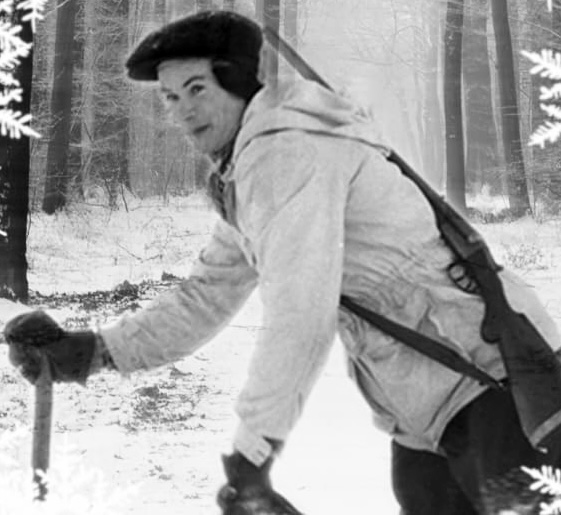
January is peak wintertime in Sweden. With frigid temperatures, significant snowfall, the danger of avalanches, and short daylight hours, the arctic conditions can be extremely dangerous. For 22-year-old Evert Stenmark, that meant serious preparation. This included waxing his skis, checking the bindings, and loading his sled with all the appropriate gear to keep him alive over the span of 14 days. The plan was to trek along a known trapline and check snares for ptarmigan, as well as bird hunt with his shotgun.
On Friday, January 21, 1955, Stenmark left his small farm just outside the town of Tarnaby. As Stenmark “skunted,” a blend of skiing and hunting, he searched the colorless landscape for an all-white, medium-sized game bird. The 20-mile route took him across various terrains, where he encountered both willow and rock ptarmigan but was unable to kill any birds. This was unfortunate because it was a way for Stenmark to supplement his income through trapping and shooting ptarmigan. A typical winter season would net him about 300 to 400 birds. The ptarmigan would be taken to the market and sold for 60 cents each.
That evening, Stenmark took shelter in a primitive hut, built from wood and grass. The next morning, Stenmark woke up to a sunny, bitter cold day. After a hearty breakfast, he set out to collect birds that had been caught in nearby snares and hopefully shoot a few perched atop the snow. Just as Stenmark was placing a fourth ensnared bird into his rucksack, he noticed the snow was quickly piling up around his legs. He then began to gently slide down the hill. Stenmark quickly realized that it was an avalanche!
When he came to, he was lying face down, with the majority of his body buried and pinned tight by the packed snow. His right ski was twisted up under his left leg. Stenmark immediately began using his chin to dig away so that he could turn his head. But it was no use. He found it difficult to breathe and soon passed out. Stenmark awoke about seven hours later to find his warm breath had melted an open cavity in the area around his mouth. Assessing the situation, he began to use his left hand, which was free, to dig toward his right arm. With both arms free, he dug under his stomach, freeing his knife. This allowed him to scrape away the snow above his head, exposing the dim glow of the northern lights. It confirmed to Stenmark that the surface wasn’t too far away.
As night settled in, temps began to drop significantly. Luckily for Stenmark, he was warmly dressed for the polar climate and knew he wouldn’t freeze to death. His garments would buy him some time. He was wearing traditional Sámi hunting clothes that included reindeer fur pants, homemade leather, and fur shoes, stuffed with grass for insulation.
He awoke Sunday morning to his teeth chattering and found the heat of his body had melted a small 4-foot-long by 2 ½-foot-wide cave around him. This created a new problem: his upper torso was now sopping wet. Observing a piece of his buried rucksack above him, Stenmark chipped away at the frozen roof until it was free. He then placed his head and shoulders into the backpack, causing him to stop shivering. Another major snag was that his legs were still immobile. In the contorted position his legs were in, Stenmark was unable to reach his feet to detach the skis.
On day two, hunger began to set in. Stenmark’s only food source was the three ptarmigan he had retrieved from the snares. With no choice, he ate one of the birds raw. By the next day, the cave had grown larger, revealing moss and twigs beneath him. Breakfast consisted of another bird, however with an added delicacy — leaves from its craw. After eating, he tried to free his legs but failed. However, he did notice the tip of a birch branch in which he pulled, freeing it. Using his knife, Stenmark carved it into a 2-foot-long stick and used it to reach and poke through the icy surface.
This small achievement gave Stenmark hope and a way to signal his location. As any good, experienced outdoorsman does, he had arranged to meet two of his trapper friends on Sunday at a log cabin, 12 miles away. Stenmark knew that if he didn’t show up, they would realize something was wrong and come looking for him. He needed a way to use the stick to mark his location and be observed above the snow-covered ground. From his wallet, Stenmark pulled a bright crimson movie ticket stub and tied it, using snare wire, to the tip and pushed it through the surface.
Three days passed and no rescue. It began to look grim for Stenmark. On Friday, six days after the avalanche had buried him, his two friends skied to the hut where Stenmark had taken refuge the first night. There they found his axe and sled. Snowfall had wiped out Stenmark’s ski tracks, however they did see signs of a small avalanche but concluded it wasn’t large enough to bury a man. The men raced back to civilization to get help. Search teams, with the help of a helicopter, spent all day Saturday looking for Stenmark.
On Sunday, Stenmark’s brother, leading a small search party, followed the line of snares. In them, he found several snow-covered ptarmigans, but no evidence of Stenmark. Frustrated, the brother sat down beside a snare to have a smoke and wait for the rest of the search party. Against the stark white background of the snow, he noticed something red fluttering and sticking up from the snow. He immediately went over to it and discovered a paper chit to a movie house. The brother immediately began digging frantically. Stenmark was pulled from the snow and taken back to the hut where he was warmed up. His feet were severely frozen and were in bad shape after being buried for eight days.
Stenmark was flown to a hospital, where doctors amputated all of his toes on one foot and everything up to the heel on the other. With the use of prosthetics and specially designed shoes, Stenmark was able to walk again, but ptarmigan hunting was no longer in the cards. A book was published about Stenmark’s ordeal, which brought him a moderate amount of fame and many marriage proposals. He eventually married and had three children. In 1975 at the age of 43, Stenmark ended his life by setting off a charge of dynamite on his family farm.
The post Ptarmigan Hunting Will Bury You appeared first on Field Ethos.
Continue reading...
January is peak wintertime in Sweden. With frigid temperatures, significant snowfall, the danger of avalanches, and short daylight hours, the arctic conditions can be extremely dangerous. For 22-year-old Evert Stenmark, that meant serious preparation. This included waxing his skis, checking the bindings, and loading his sled with all the appropriate gear to keep him alive over the span of 14 days. The plan was to trek along a known trapline and check snares for ptarmigan, as well as bird hunt with his shotgun.
On Friday, January 21, 1955, Stenmark left his small farm just outside the town of Tarnaby. As Stenmark “skunted,” a blend of skiing and hunting, he searched the colorless landscape for an all-white, medium-sized game bird. The 20-mile route took him across various terrains, where he encountered both willow and rock ptarmigan but was unable to kill any birds. This was unfortunate because it was a way for Stenmark to supplement his income through trapping and shooting ptarmigan. A typical winter season would net him about 300 to 400 birds. The ptarmigan would be taken to the market and sold for 60 cents each.
That evening, Stenmark took shelter in a primitive hut, built from wood and grass. The next morning, Stenmark woke up to a sunny, bitter cold day. After a hearty breakfast, he set out to collect birds that had been caught in nearby snares and hopefully shoot a few perched atop the snow. Just as Stenmark was placing a fourth ensnared bird into his rucksack, he noticed the snow was quickly piling up around his legs. He then began to gently slide down the hill. Stenmark quickly realized that it was an avalanche!
When he came to, he was lying face down, with the majority of his body buried and pinned tight by the packed snow. His right ski was twisted up under his left leg. Stenmark immediately began using his chin to dig away so that he could turn his head. But it was no use. He found it difficult to breathe and soon passed out. Stenmark awoke about seven hours later to find his warm breath had melted an open cavity in the area around his mouth. Assessing the situation, he began to use his left hand, which was free, to dig toward his right arm. With both arms free, he dug under his stomach, freeing his knife. This allowed him to scrape away the snow above his head, exposing the dim glow of the northern lights. It confirmed to Stenmark that the surface wasn’t too far away.
Buried Alive
As night settled in, temps began to drop significantly. Luckily for Stenmark, he was warmly dressed for the polar climate and knew he wouldn’t freeze to death. His garments would buy him some time. He was wearing traditional Sámi hunting clothes that included reindeer fur pants, homemade leather, and fur shoes, stuffed with grass for insulation.
He awoke Sunday morning to his teeth chattering and found the heat of his body had melted a small 4-foot-long by 2 ½-foot-wide cave around him. This created a new problem: his upper torso was now sopping wet. Observing a piece of his buried rucksack above him, Stenmark chipped away at the frozen roof until it was free. He then placed his head and shoulders into the backpack, causing him to stop shivering. Another major snag was that his legs were still immobile. In the contorted position his legs were in, Stenmark was unable to reach his feet to detach the skis.


On day two, hunger began to set in. Stenmark’s only food source was the three ptarmigan he had retrieved from the snares. With no choice, he ate one of the birds raw. By the next day, the cave had grown larger, revealing moss and twigs beneath him. Breakfast consisted of another bird, however with an added delicacy — leaves from its craw. After eating, he tried to free his legs but failed. However, he did notice the tip of a birch branch in which he pulled, freeing it. Using his knife, Stenmark carved it into a 2-foot-long stick and used it to reach and poke through the icy surface.
This small achievement gave Stenmark hope and a way to signal his location. As any good, experienced outdoorsman does, he had arranged to meet two of his trapper friends on Sunday at a log cabin, 12 miles away. Stenmark knew that if he didn’t show up, they would realize something was wrong and come looking for him. He needed a way to use the stick to mark his location and be observed above the snow-covered ground. From his wallet, Stenmark pulled a bright crimson movie ticket stub and tied it, using snare wire, to the tip and pushed it through the surface.
The Rescue of Evert Stenmark
Three days passed and no rescue. It began to look grim for Stenmark. On Friday, six days after the avalanche had buried him, his two friends skied to the hut where Stenmark had taken refuge the first night. There they found his axe and sled. Snowfall had wiped out Stenmark’s ski tracks, however they did see signs of a small avalanche but concluded it wasn’t large enough to bury a man. The men raced back to civilization to get help. Search teams, with the help of a helicopter, spent all day Saturday looking for Stenmark.
On Sunday, Stenmark’s brother, leading a small search party, followed the line of snares. In them, he found several snow-covered ptarmigans, but no evidence of Stenmark. Frustrated, the brother sat down beside a snare to have a smoke and wait for the rest of the search party. Against the stark white background of the snow, he noticed something red fluttering and sticking up from the snow. He immediately went over to it and discovered a paper chit to a movie house. The brother immediately began digging frantically. Stenmark was pulled from the snow and taken back to the hut where he was warmed up. His feet were severely frozen and were in bad shape after being buried for eight days.
Stenmark was flown to a hospital, where doctors amputated all of his toes on one foot and everything up to the heel on the other. With the use of prosthetics and specially designed shoes, Stenmark was able to walk again, but ptarmigan hunting was no longer in the cards. A book was published about Stenmark’s ordeal, which brought him a moderate amount of fame and many marriage proposals. He eventually married and had three children. In 1975 at the age of 43, Stenmark ended his life by setting off a charge of dynamite on his family farm.
The post Ptarmigan Hunting Will Bury You appeared first on Field Ethos.
Continue reading...

