F
Field Ethos
Guest
By Edgar Castillo
It’s Saturday, November 10, 1951—a notably wet and chilly day. A group of friends and business partners are in the southeastern corner of the Emerald Isle, hunting shorebirds in County Wexford. One of the party members, Sir Hugh Beaver, is an English-South African engineer and industrialist who had been director general of Britain’s Ministry of Works during WWII. For his critical contributions during the war, Beaver was rewarded with knighthood in 1943. Three years later, he was appointed managing director of Guinness Brewery of Dublin, then the largest brewery in the world.
Beaver has accepted an invitation from Guinness’s largest supplier of malt, Joshua Nunn. The men gather at Nunn’s family estate, Castlebridge. Like the rest of the sporting lot, Beaver is an avid bird hunter—oftentimes taking part in driven pheasant hunts. They are hunting a nearby section, named North Slob. Slob is an Irish word for mudflats, and a haven for wading shorebirds.
The shooting is good across the Irish countryside on that gloomy day. Plovers, a small, common migratory gamebird throughout Europe, are abundant. Considered highly prized, plovers are a seasonal delicacy. The birds have gathered in large numbers across the agricultural wetlands and present the gentlemen with plenty of opportunity. However, there are a lot more misses than killed birds.
As the shooting party walks through the waterlogged meadows along the Slaney River, Beaver flushes a golden plover. As the bird rockets into the air, it takes a swift, direct, and low altitude flight path. He quickly raises his 12-bore side-by-side shotgun and fires. Two shots ring out in succession. The cloud of pellets fails to bring down the fast-moving plover. It continues flying before settling down about a hundred meters away. Beaver has missed. This immediately brings playful mocking from the rest of the hunting party. As the group teases him, Beaver defensively belts out that he missed the shots because the golden plover is the fastest gamebird in all of Europe.
One of the members shouts disagreeably, countering that actually the red grouse holds the honor of being the quickest. Back-and-forth bantering begins with naysayers on both sides. Despite their best arguments for the plover and red grouse, there is no way to settle the good-natured dispute during the hunt. The assembly of men put their disagreement on pause and continue hunting. On their return, flocks of plovers, called congregations or wings, propel from the ground. Again, more blundered shots keep them from killing hardly any birds.
Later that evening over dinner, the discussion returns to which is faster, the plover or the red grouse. Afterwards, the men retire to the host’s library to continue the debate. To add fire to the discord, someone throws in that the teal and woodcock are actually faster. Beaver is certain that he can find some sort of evidence and answer to declare himself as the victor amongst the vast reference books available. Wagers are pledged. For the rest of the night the blokes search but find no authoritative source to consult. Someone comments that a reference book ought to be available to answer such questions. Before departing the next day, the argument remains unresolved.
Three years pass and it’s 1954. Beaver is searching for a new way to promote the brewery he is managing. He recalls the unanswered question about the golden plover amongst he and the sportsmen. Beaver has a light bulb moment and is sure that other people have similar questions and a book full of intellectual facts would be the answer. To produce such a manual, he commissions a pair of genius twin brothers to compile a book of data and figures. Information begins to pour in.
Beaver’s plan is to use the record book as a Guinness promotion and marketing gimmick to quell pub arguments and drunken bets that might arise mid-conversation over a stout drink amongst patrons. He recognizes the free “book of superlatives” as a definitive resource for bartenders to hand out so they could focus pouring Guinness’s signature beers. The books themselves would even have waterproof, laminated covers to withstand beer spills. It was brilliant! However, soon thereafter Beaver begins to rethink his idea and decides to sell the book upon completion. On October 3, 1955, a 198-page book of records with 4,000 entries is presented to Beaver. The first edition, now known as the “Guinness World Records,” proves to be a hit and is an immediate business success. By Christmas 100,000 are sold. It is the world’s best-selling copyrighted book series.

Throughout it all, Beaver never finds any resolve to the original argument. Then, 35 years later in 1989, the question that started it all—is the golden plover or the red grouse the fastest gamebird in Europe, finally receives a partial answer. In the 36th edition of the “Guinness World Records,” a wishy-washy verdict is published: “Britain’s fastest gamebird is the Red Grouse which, in still air, has recorded burst speeds up to … 58-63 mph over very short distances. Air speeds up to 70 mph have been claimed for the Golden Plover when flushed, but it is extremely doubtful whether this rapid-flying bird can exceed 50-55 mph—even in an emergency.”
Currently on the official Guinness World Records website, under the Origin Story tab, it states: “Although the books never did tackle this original question—owing to their focus purely on world records—the red-breasted merganser would be the most likely answer, it is fully migratory and still occasionally hunted.” Not very conclusive, is it? Let’s discuss a bit more over a pint of beer, shall we!
The post Birds, Brew & Bets—The Hunt That Sparked the Guinness World Records appeared first on Field Ethos.
Continue reading...
It’s Saturday, November 10, 1951—a notably wet and chilly day. A group of friends and business partners are in the southeastern corner of the Emerald Isle, hunting shorebirds in County Wexford. One of the party members, Sir Hugh Beaver, is an English-South African engineer and industrialist who had been director general of Britain’s Ministry of Works during WWII. For his critical contributions during the war, Beaver was rewarded with knighthood in 1943. Three years later, he was appointed managing director of Guinness Brewery of Dublin, then the largest brewery in the world.
Beaver has accepted an invitation from Guinness’s largest supplier of malt, Joshua Nunn. The men gather at Nunn’s family estate, Castlebridge. Like the rest of the sporting lot, Beaver is an avid bird hunter—oftentimes taking part in driven pheasant hunts. They are hunting a nearby section, named North Slob. Slob is an Irish word for mudflats, and a haven for wading shorebirds.
The shooting is good across the Irish countryside on that gloomy day. Plovers, a small, common migratory gamebird throughout Europe, are abundant. Considered highly prized, plovers are a seasonal delicacy. The birds have gathered in large numbers across the agricultural wetlands and present the gentlemen with plenty of opportunity. However, there are a lot more misses than killed birds.
As the shooting party walks through the waterlogged meadows along the Slaney River, Beaver flushes a golden plover. As the bird rockets into the air, it takes a swift, direct, and low altitude flight path. He quickly raises his 12-bore side-by-side shotgun and fires. Two shots ring out in succession. The cloud of pellets fails to bring down the fast-moving plover. It continues flying before settling down about a hundred meters away. Beaver has missed. This immediately brings playful mocking from the rest of the hunting party. As the group teases him, Beaver defensively belts out that he missed the shots because the golden plover is the fastest gamebird in all of Europe.
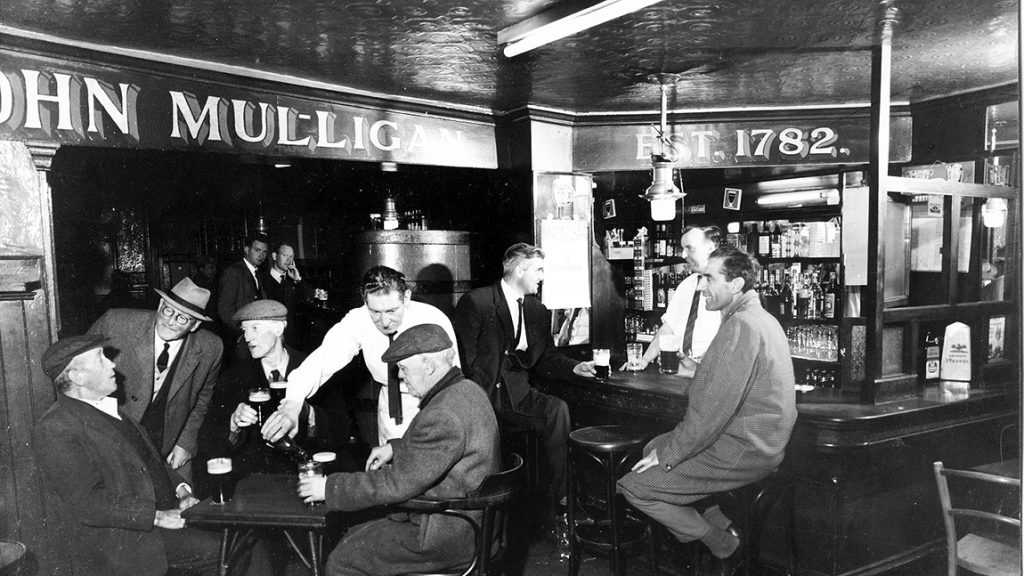
men Talking Shit
One of the members shouts disagreeably, countering that actually the red grouse holds the honor of being the quickest. Back-and-forth bantering begins with naysayers on both sides. Despite their best arguments for the plover and red grouse, there is no way to settle the good-natured dispute during the hunt. The assembly of men put their disagreement on pause and continue hunting. On their return, flocks of plovers, called congregations or wings, propel from the ground. Again, more blundered shots keep them from killing hardly any birds.
Later that evening over dinner, the discussion returns to which is faster, the plover or the red grouse. Afterwards, the men retire to the host’s library to continue the debate. To add fire to the discord, someone throws in that the teal and woodcock are actually faster. Beaver is certain that he can find some sort of evidence and answer to declare himself as the victor amongst the vast reference books available. Wagers are pledged. For the rest of the night the blokes search but find no authoritative source to consult. Someone comments that a reference book ought to be available to answer such questions. Before departing the next day, the argument remains unresolved.
Three years pass and it’s 1954. Beaver is searching for a new way to promote the brewery he is managing. He recalls the unanswered question about the golden plover amongst he and the sportsmen. Beaver has a light bulb moment and is sure that other people have similar questions and a book full of intellectual facts would be the answer. To produce such a manual, he commissions a pair of genius twin brothers to compile a book of data and figures. Information begins to pour in.
The Great Guinness Bar Book
Beaver’s plan is to use the record book as a Guinness promotion and marketing gimmick to quell pub arguments and drunken bets that might arise mid-conversation over a stout drink amongst patrons. He recognizes the free “book of superlatives” as a definitive resource for bartenders to hand out so they could focus pouring Guinness’s signature beers. The books themselves would even have waterproof, laminated covers to withstand beer spills. It was brilliant! However, soon thereafter Beaver begins to rethink his idea and decides to sell the book upon completion. On October 3, 1955, a 198-page book of records with 4,000 entries is presented to Beaver. The first edition, now known as the “Guinness World Records,” proves to be a hit and is an immediate business success. By Christmas 100,000 are sold. It is the world’s best-selling copyrighted book series.
Throughout it all, Beaver never finds any resolve to the original argument. Then, 35 years later in 1989, the question that started it all—is the golden plover or the red grouse the fastest gamebird in Europe, finally receives a partial answer. In the 36th edition of the “Guinness World Records,” a wishy-washy verdict is published: “Britain’s fastest gamebird is the Red Grouse which, in still air, has recorded burst speeds up to … 58-63 mph over very short distances. Air speeds up to 70 mph have been claimed for the Golden Plover when flushed, but it is extremely doubtful whether this rapid-flying bird can exceed 50-55 mph—even in an emergency.”
Currently on the official Guinness World Records website, under the Origin Story tab, it states: “Although the books never did tackle this original question—owing to their focus purely on world records—the red-breasted merganser would be the most likely answer, it is fully migratory and still occasionally hunted.” Not very conclusive, is it? Let’s discuss a bit more over a pint of beer, shall we!
The post Birds, Brew & Bets—The Hunt That Sparked the Guinness World Records appeared first on Field Ethos.
Continue reading...