F
Field Ethos
Guest
By John Warren
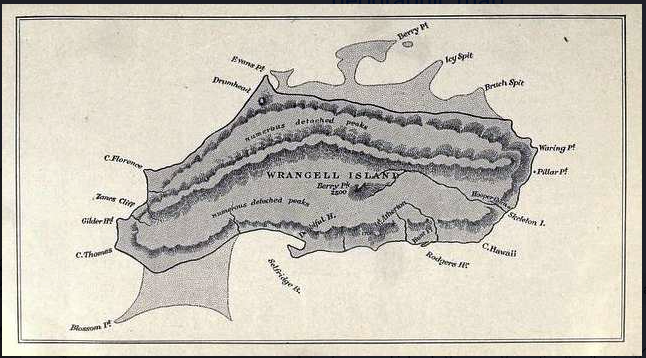
Remote, wind-scoured, and locked in ice for most of the year, Wrangel Island sits alone in the Chukchi Sea north of Siberia. Today it is a protected wilderness and UNESCO World Heritage Site, but in the early twentieth century it became the stage for one of the Arctic’s most tragic and controversial human dramas. The Wrengel Island Polar Expedition was driven by ambition and geopolitics, tested by extreme isolation, and ultimately defined by survival against overwhelming odds.
Wrangel Island entered Western awareness through rumor and fleeting sightings. Russian explorer Ferdinand von Wrengel searched unsuccessfully for it in the 1820s while the Brits and Americans reported its land to the north in the nineteenth century. In 1867, American whaling captain Thomas Long gave the island its modern name, honoring Wrangel. By the 1800s, both the United States and Russia had landed parties there, and in 1881 a U.S. cutter formally claimed the island as “New Columbia.” Yet no nation established a lasting presence. Wrangel Island remained a prize without a custodian.
The island’s danger was underscored during the Canadian Arctic Expedition of 1913-1916. When the expedition’s ship Karluk was crushed by ice, survivors fled across the frozen sea to Wrangel Island. Eleven people died before rescue arrived in 1914. Among those shaped by that disaster was the expedition’s leader, Vilhjalmur Stefansson, who would soon return to the island with a far bolder plan.
Stefansson believed the Arctic was not inherently hostile but misunderstood. He argued that with proper knowledge, people could live off the land indefinitely. Wrangel Island, in his view, was proof waiting to be demonstrated, and a geopolitical opportunity. After World War I, with imperial boundaries shifting, Stefansson hoped to secure Wrangel Island for the British Empire or Canada through occupation.
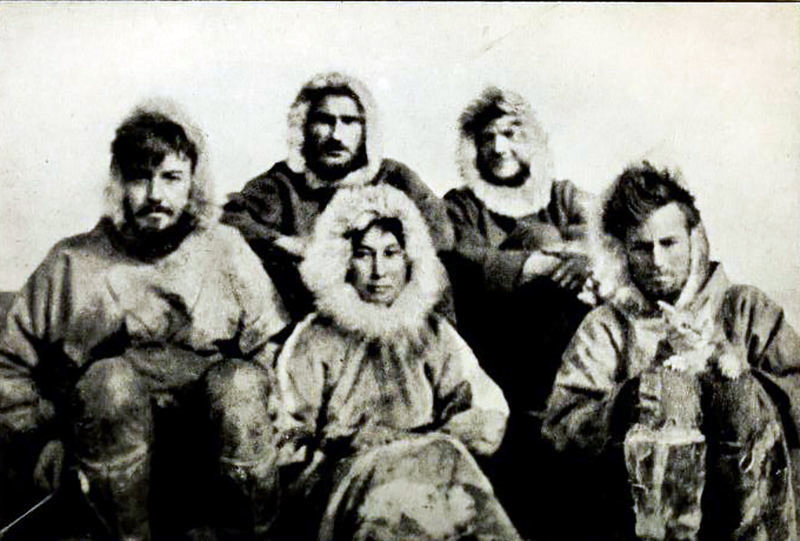
In September 1921, Stefansson dispatched a small, privately organized party to the island. He did not go himself. The group consisted of four young men—Allan Crawford, Fred Maruer, Milton Galle, and Lorne Knight—and one Inupiat woman hired as cook and seamstress, Ada Blackjack. They carried only limited supplies. Stefansson assured them that hunting would sustain them until relief ships arrived.
They landed on Wrangel Island on September 15, 1921, raised the British flag and prepared to overwinter.
Stefansson’s assumptions quickly collapsed. Game was scarce. Sea ice made travel unpredictable. Winter darkness and cold tested morale as much as bodies. When summer came in 1922, no supply ship arrived. Political reality had intervened: the newly formed Soviet government asserted its claim to Wrangel Island, and Canada declined to risk an international incident by sending relief.
By the second winter, scurvy and starvation set in. In January 1923, Crawford, Maurer, and Galle attempted a desperate escape across the sea ice toward Siberia. They vanished and were never seen again. Only Lorne Knight and Ada Blackjack remained. Knight was severely ill and unable to hunt. Blackjack, with no formal survival training, learned to shoot, trap and fend off polar bears while caring for the dying man.
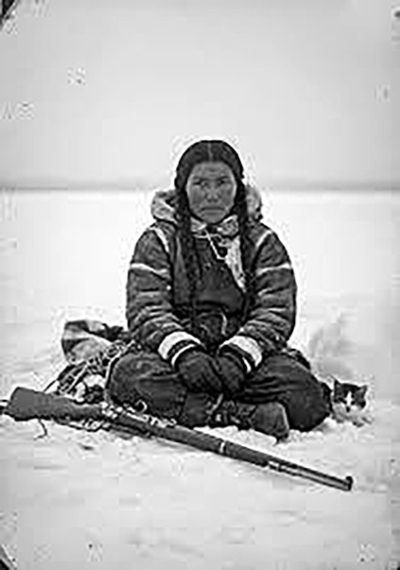
Knight died in June 1923. Ada Blackjack buried him and survived on the island for another two months, hunting foxes, maintaining camp, and keeping herself alive until rescue finally arrived in August. She emerged as the sole survivor of the expedition, physically weakened but alive.
Even Ada Blackjack’s survival could not salvage Stefansson’s ambitions. When a follow-up group of settlers was briefly placed on the island later in 1923, the Soviet Union acted decisively. In 1924, a Soviet ship removed the remaining foreign inhabitants by force. By 1926, the Soviets established a permanent settlement, cementing control. Western governments quietly backed away, unwilling to escalate over a remote Arctic island.
Wangel Island was now firmly Soviet and later Russian territory.
The Wrangel Island Polar Expedition stands as a cautionary tale of ideology colliding with the environment. Stefansson’s belief in the “Friendly Arctic” underestimated both ecological limits and political reality. His absence from the expedition only sharpened late criticism.
Yet the story’s enduring figure is Ada Blackjack. Neither explorer nor ideologue, she survived through adaptability, restraint, and persistence. Her experience stripped polar exploration of romance and replaced it with something more honest: survival earned day by day.
Today Wrangel Island is known less for human ambition than for natural resilience. It hosts one of the world’s highest concentrations of polar bear dens, vast walrus haul-outs, and remains the last known refuge of the wooly mammoth. The island endures, indifferent to flags.
The Wragel Island expedition reminds us that in the arctic belief does not bend to reality. Only preparation, humility and respect for the land offer a chance to endure.
The post Wrangel Island Polar Expedition: Ideology, Ambition & Arctic Survival appeared first on Field Ethos.
Continue reading...
Remote, wind-scoured, and locked in ice for most of the year, Wrangel Island sits alone in the Chukchi Sea north of Siberia. Today it is a protected wilderness and UNESCO World Heritage Site, but in the early twentieth century it became the stage for one of the Arctic’s most tragic and controversial human dramas. The Wrengel Island Polar Expedition was driven by ambition and geopolitics, tested by extreme isolation, and ultimately defined by survival against overwhelming odds.
A Land Long Seen but Rarely Held
Wrangel Island entered Western awareness through rumor and fleeting sightings. Russian explorer Ferdinand von Wrengel searched unsuccessfully for it in the 1820s while the Brits and Americans reported its land to the north in the nineteenth century. In 1867, American whaling captain Thomas Long gave the island its modern name, honoring Wrangel. By the 1800s, both the United States and Russia had landed parties there, and in 1881 a U.S. cutter formally claimed the island as “New Columbia.” Yet no nation established a lasting presence. Wrangel Island remained a prize without a custodian.
The island’s danger was underscored during the Canadian Arctic Expedition of 1913-1916. When the expedition’s ship Karluk was crushed by ice, survivors fled across the frozen sea to Wrangel Island. Eleven people died before rescue arrived in 1914. Among those shaped by that disaster was the expedition’s leader, Vilhjalmur Stefansson, who would soon return to the island with a far bolder plan.
Stefansson’s “Friendly Arctic”
Stefansson believed the Arctic was not inherently hostile but misunderstood. He argued that with proper knowledge, people could live off the land indefinitely. Wrangel Island, in his view, was proof waiting to be demonstrated, and a geopolitical opportunity. After World War I, with imperial boundaries shifting, Stefansson hoped to secure Wrangel Island for the British Empire or Canada through occupation.
In September 1921, Stefansson dispatched a small, privately organized party to the island. He did not go himself. The group consisted of four young men—Allan Crawford, Fred Maruer, Milton Galle, and Lorne Knight—and one Inupiat woman hired as cook and seamstress, Ada Blackjack. They carried only limited supplies. Stefansson assured them that hunting would sustain them until relief ships arrived.
They landed on Wrangel Island on September 15, 1921, raised the British flag and prepared to overwinter.
Hunger, Ice & Abandonment
Stefansson’s assumptions quickly collapsed. Game was scarce. Sea ice made travel unpredictable. Winter darkness and cold tested morale as much as bodies. When summer came in 1922, no supply ship arrived. Political reality had intervened: the newly formed Soviet government asserted its claim to Wrangel Island, and Canada declined to risk an international incident by sending relief.
By the second winter, scurvy and starvation set in. In January 1923, Crawford, Maurer, and Galle attempted a desperate escape across the sea ice toward Siberia. They vanished and were never seen again. Only Lorne Knight and Ada Blackjack remained. Knight was severely ill and unable to hunt. Blackjack, with no formal survival training, learned to shoot, trap and fend off polar bears while caring for the dying man.
Knight died in June 1923. Ada Blackjack buried him and survived on the island for another two months, hunting foxes, maintaining camp, and keeping herself alive until rescue finally arrived in August. She emerged as the sole survivor of the expedition, physically weakened but alive.
Even Ada Blackjack’s survival could not salvage Stefansson’s ambitions. When a follow-up group of settlers was briefly placed on the island later in 1923, the Soviet Union acted decisively. In 1924, a Soviet ship removed the remaining foreign inhabitants by force. By 1926, the Soviets established a permanent settlement, cementing control. Western governments quietly backed away, unwilling to escalate over a remote Arctic island.
Wangel Island was now firmly Soviet and later Russian territory.
Legacy of the Expedition
The Wrangel Island Polar Expedition stands as a cautionary tale of ideology colliding with the environment. Stefansson’s belief in the “Friendly Arctic” underestimated both ecological limits and political reality. His absence from the expedition only sharpened late criticism.
Yet the story’s enduring figure is Ada Blackjack. Neither explorer nor ideologue, she survived through adaptability, restraint, and persistence. Her experience stripped polar exploration of romance and replaced it with something more honest: survival earned day by day.
Today Wrangel Island is known less for human ambition than for natural resilience. It hosts one of the world’s highest concentrations of polar bear dens, vast walrus haul-outs, and remains the last known refuge of the wooly mammoth. The island endures, indifferent to flags.
The Wragel Island expedition reminds us that in the arctic belief does not bend to reality. Only preparation, humility and respect for the land offer a chance to endure.
The post Wrangel Island Polar Expedition: Ideology, Ambition & Arctic Survival appeared first on Field Ethos.
Continue reading...

