F
Field Ethos
Guest
By Kyle Wright
The sailor swore that a pair of binoculars would have made the difference. Frederick Fleet, a lookout on the RMS Titanic, had been asking for a pair of binoculars for weeks on end, but none had been located. His two-hour shift in the crow’s nest was nearing its end when he and another sailor spotted the infamous iceberg.
Fleet immediately rang the crow’s nest bell and then buzzed down to the bridge. The ship swung to port, sideswiping the iceberg and showering its deck with shards of ice. By then, though, the warning was too late. Frederick Fleet dropped down to the deck just 20 minutes later where Quartermaster Robert Hichens ordered him to man the oars aboard Lifeboat No. 6, a boat that transferred some 24 passengers to safety. Twenty-four souls in a lifeboat built for 65. Among American socialites and a Pomeranian puppy, Fleet’s own life was spared.
The judicial inquiries that followed made him wish it hadn’t been. Both the Americans and the British wanted answers but, save his insistence that a good pair of binoculars would have altered the outcome, Fleet was loathe to give them. I’m sure the man was tired of talking about the whole affair and just wanted to put it all behind him.
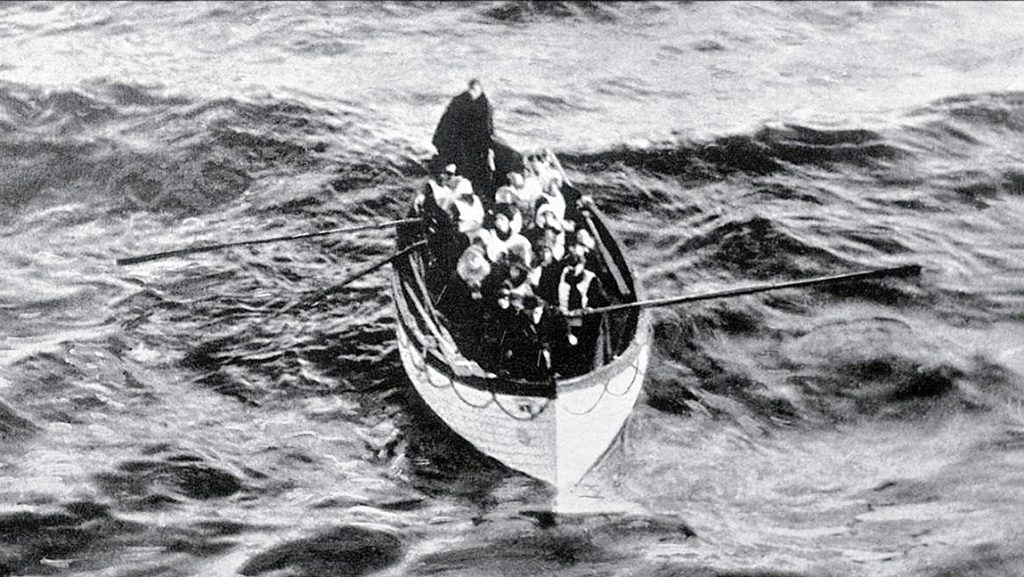
RMS Titanic Lifeboat No. 6.
Surprisingly, though, the sailor returned to sea. He sailed on the Titanic’s sister ship, the RMS Olympic, but left after he realized that his very existence was an uncomfortable reminder that even unsinkable ships sink. For the next quarter century, Fleet worked for various other lines and when the first World War started, he signed up and sailed aboard a merchant ship. In 1936, he left the sea but not the ship and built boats for Harland and Wolff. When another war threatened the world just a few years later, Fleet once again found himself at sea.
After the war ended, Fleet sold newspapers, a move that, when you think about it, actually makes some sense. Who among us hasn’t been frustrated at work and fantasized about being a door greeter at Walmart? After all that Fleet had seen and endured on the open sea, you’ve got to believe that the man was ready for something mindless on land. Too bad the newspaper business didn’t pay. Because of their financial difficulties, Fleet and his wife were forced to move in with her brother.
When his wife fell ill and died, Fleet’s brother-in-law evicted him, a decision that had been agreed upon even before her passing. Still, the eviction appears to have broken the man. After surviving the sinking of a ship and not one but two world wars, Frederick Fleet was ultimately done in by his grief and depression. Less than two weeks after burying his bride, he hung himself in his brother-in-law’s garden.
Fleet never got over surviving the shipwreck. He lived in the shadow of that sunken ship for better than 50 years. In a suicide letter addressed to his daughter, Dorothy, Frederick Fleet wrote, “Well my dear this is goodbye. Love to all from your broken hearted father. What an end. Another Titanic man gone.”
The post Another Titanic Man Gone appeared first on Field Ethos.
Continue reading...
The sailor swore that a pair of binoculars would have made the difference. Frederick Fleet, a lookout on the RMS Titanic, had been asking for a pair of binoculars for weeks on end, but none had been located. His two-hour shift in the crow’s nest was nearing its end when he and another sailor spotted the infamous iceberg.
Fleet immediately rang the crow’s nest bell and then buzzed down to the bridge. The ship swung to port, sideswiping the iceberg and showering its deck with shards of ice. By then, though, the warning was too late. Frederick Fleet dropped down to the deck just 20 minutes later where Quartermaster Robert Hichens ordered him to man the oars aboard Lifeboat No. 6, a boat that transferred some 24 passengers to safety. Twenty-four souls in a lifeboat built for 65. Among American socialites and a Pomeranian puppy, Fleet’s own life was spared.
The judicial inquiries that followed made him wish it hadn’t been. Both the Americans and the British wanted answers but, save his insistence that a good pair of binoculars would have altered the outcome, Fleet was loathe to give them. I’m sure the man was tired of talking about the whole affair and just wanted to put it all behind him.
Life After the Titanic
RMS Titanic Lifeboat No. 6.
Surprisingly, though, the sailor returned to sea. He sailed on the Titanic’s sister ship, the RMS Olympic, but left after he realized that his very existence was an uncomfortable reminder that even unsinkable ships sink. For the next quarter century, Fleet worked for various other lines and when the first World War started, he signed up and sailed aboard a merchant ship. In 1936, he left the sea but not the ship and built boats for Harland and Wolff. When another war threatened the world just a few years later, Fleet once again found himself at sea.
After the war ended, Fleet sold newspapers, a move that, when you think about it, actually makes some sense. Who among us hasn’t been frustrated at work and fantasized about being a door greeter at Walmart? After all that Fleet had seen and endured on the open sea, you’ve got to believe that the man was ready for something mindless on land. Too bad the newspaper business didn’t pay. Because of their financial difficulties, Fleet and his wife were forced to move in with her brother.
When his wife fell ill and died, Fleet’s brother-in-law evicted him, a decision that had been agreed upon even before her passing. Still, the eviction appears to have broken the man. After surviving the sinking of a ship and not one but two world wars, Frederick Fleet was ultimately done in by his grief and depression. Less than two weeks after burying his bride, he hung himself in his brother-in-law’s garden.
Fleet never got over surviving the shipwreck. He lived in the shadow of that sunken ship for better than 50 years. In a suicide letter addressed to his daughter, Dorothy, Frederick Fleet wrote, “Well my dear this is goodbye. Love to all from your broken hearted father. What an end. Another Titanic man gone.”
The post Another Titanic Man Gone appeared first on Field Ethos.
Continue reading...

